
Destination N/A
Ghalegaon Homestay Trek
6Nights/7Days
Group N/A
Price From
On Request
Explore More

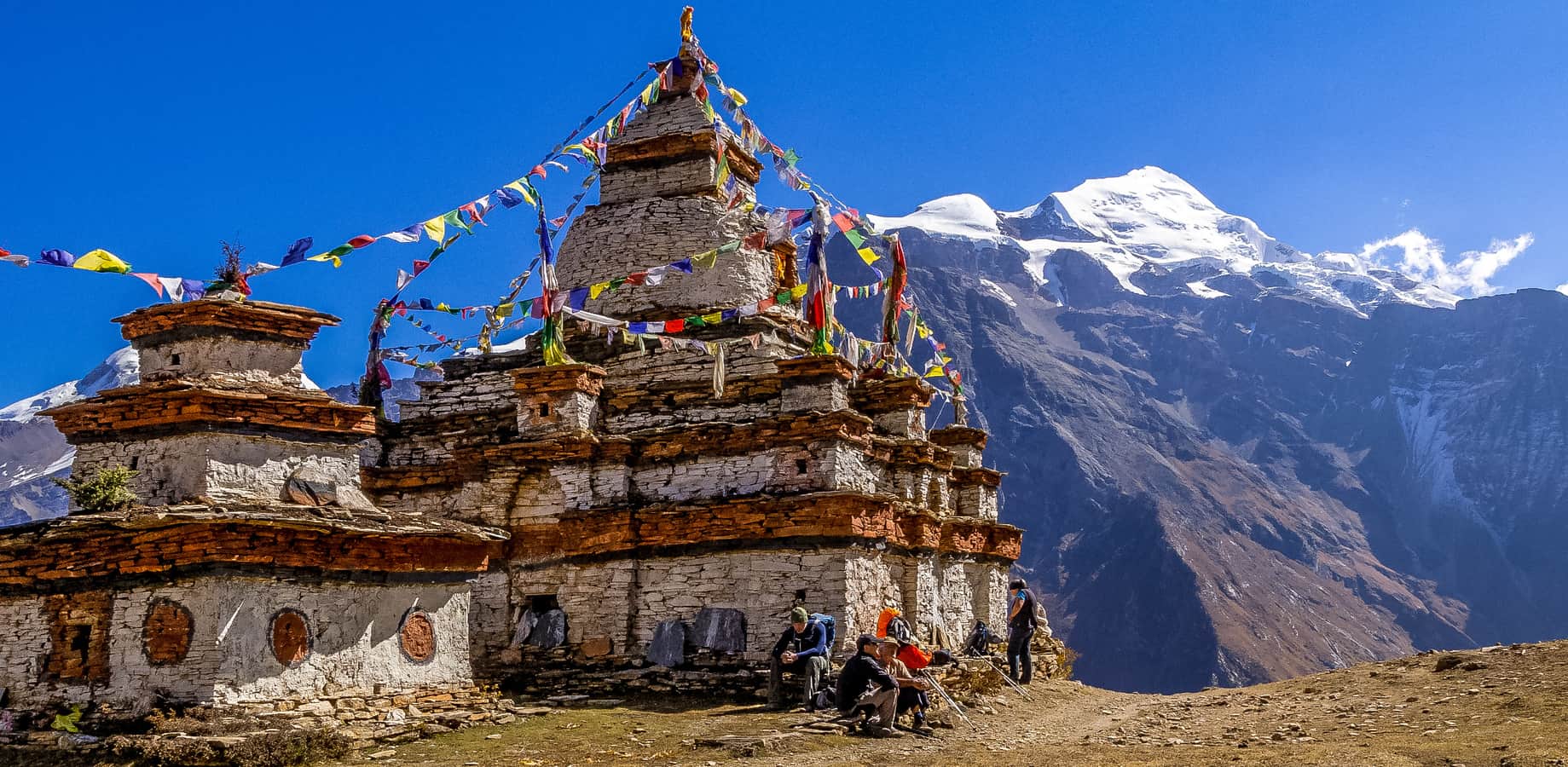
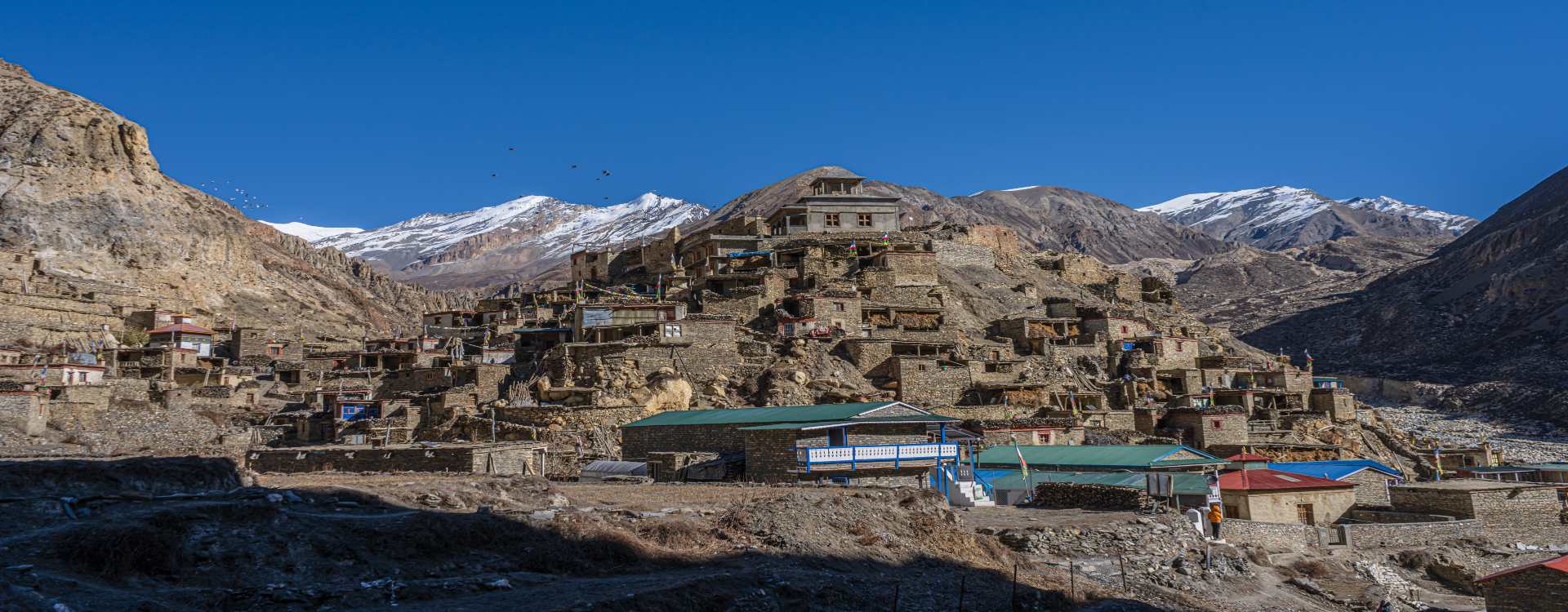
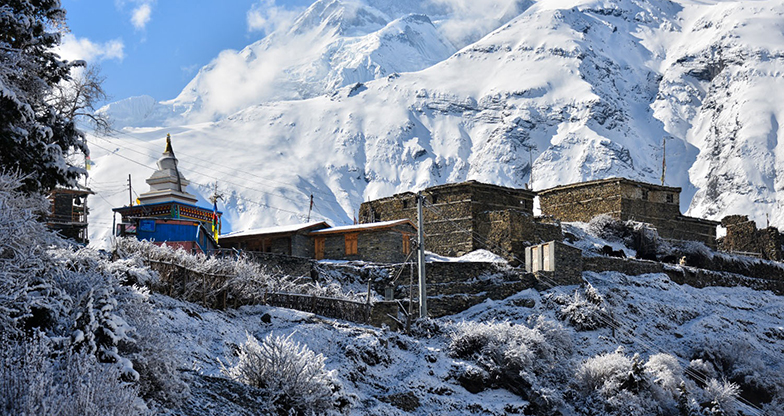
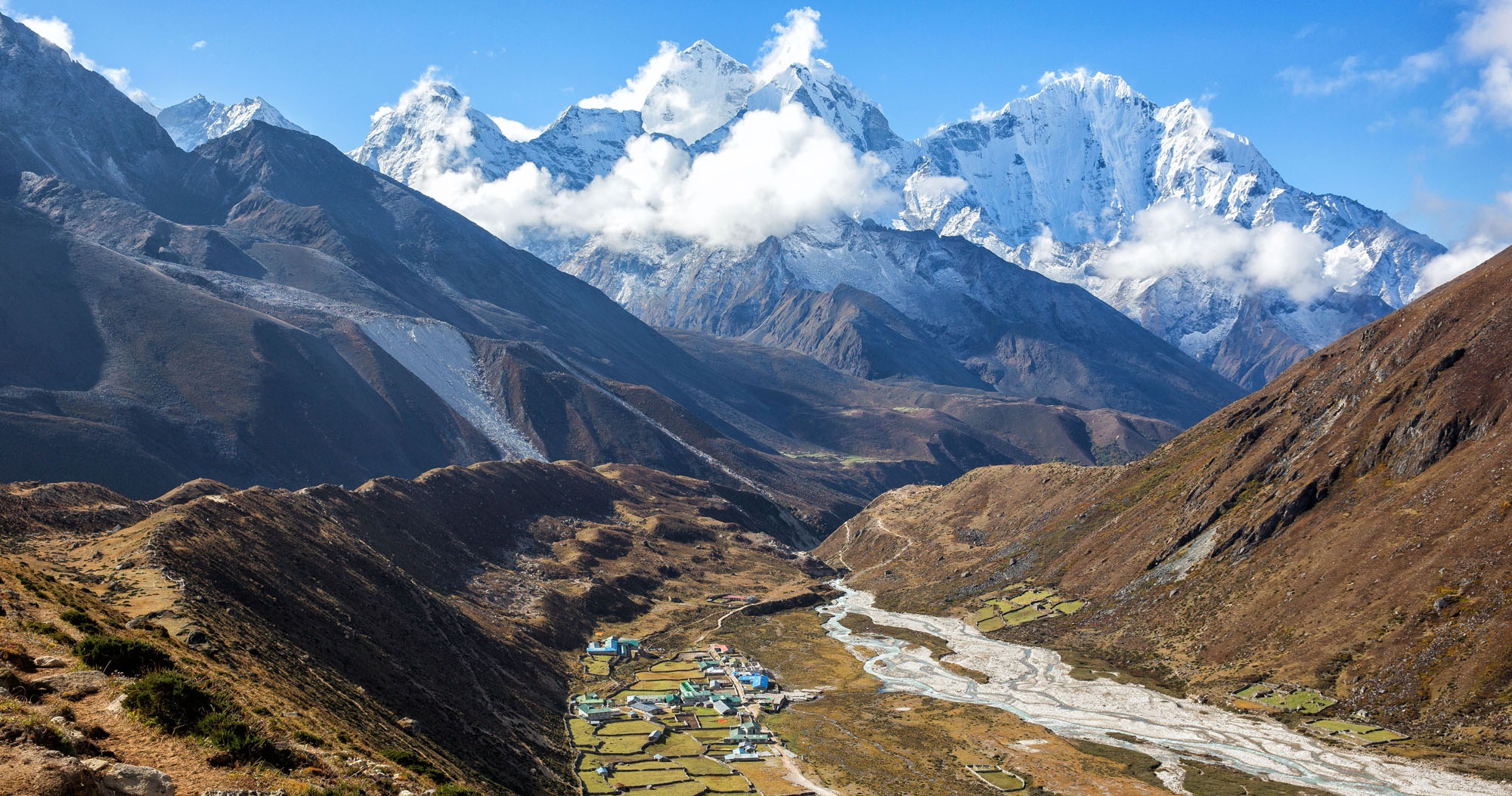
Narphu, the lost valley, is an off beaten trekking trail in the northern part of Manang. It is an alternative to the famous Annapurna circuit trek. It takes you to the ancient village of Nar and Phu. The village of Phu is the highest point of human settlement at 4250m while the village of Nar is at 4110m. These isolated villages even have their dialect. Sino-Tibetan language is only spoken in these two little villages. Very traditional old caved houses resemble the mountain lifestyle of people here. This amazing journey will take you through the serene trails that are decorated with Chortens, Gumbas, and mountains. This trek is rather an Indiana Jones adventure instead of a simple trek.
Our trip starts as you land in Kathmandu. Our representatives will receive you at the airport and drop you to your hotel. The following day we prepare for the trek. We will also be visiting some famous world heritage sights in Kathmandu. Starting from Swayambhunath, we visit places like Bouddha, Pashupatinath and Kathmandu Durbar Square. The next day, we drive from Kathmandu to Syange and then start our trek the same day. Enjoying the hills and forests of Lamjung, we trek till Dharapani. The road greets us with waterfalls at Tal and quaint settlements at Jagat. Dharapani is a small village from where the trail to Manaslu begins. From here, we continue our trek towards Koto. Koto is the village that separates the Narphu trail from the famous Annapurna trail. Following the trail to Narphu, we move through forests of pine and rhododendron alongside the bluish Narphu River. Nearby Phu, lies ruins of the ancient Khampa people who were refugees from Tibet. Walking past the Mani walls and Kang la pass, we reach Ngawal. From the pass, you can enjoy breathtaking views of the Annapurna range and Tilicho peak. We have now entered the Annapurna region. Walkthrough the Braga village and be sure to observe the 500-year-old monastery that lies near it. From Manang, we head to Thare Gompa which is a holy one. The road is dusty so be careful. If you want, you can take a quick break at Khangsar too. Walk along the landslide-prone paths to reach the Tilicho base camp and the next day, head out to visit the Tilicho Lake. This lake resides right in the middle of the Himalayas and is a must-visit site. From here, we make our way down to Yak Kharka. Do admire the animals and shepherds here. Visit the ancient ruins at Khangsar and cross the Thorong La pass to reach Jomsom. After visiting the Leopard cave, move to Pokhara via an airplane and catch a bus that leads to Kathmandu which signals the end of this trip.
We at Miteri Nepal have been organizing a trek to Narphu valley since <<<. We have had wonderful reviews in the past about this particular trek. We offer the best service at a genuine cost. Our expert staffs can cater to each need and whims. Our staffs know the proper usage of equipment and trekking gear.
On your arrival in Kathmandu, our representative from Miteri Nepal will pick you up at the Tribhuvan International Airport. On the way back to the hotel, our representative will inform you about the contents of the trip and he will also give you an insight as to how the trip will plan out. At night, you can enjoy a delightful dinner hosted by the company. Overnight in Kathmandu.
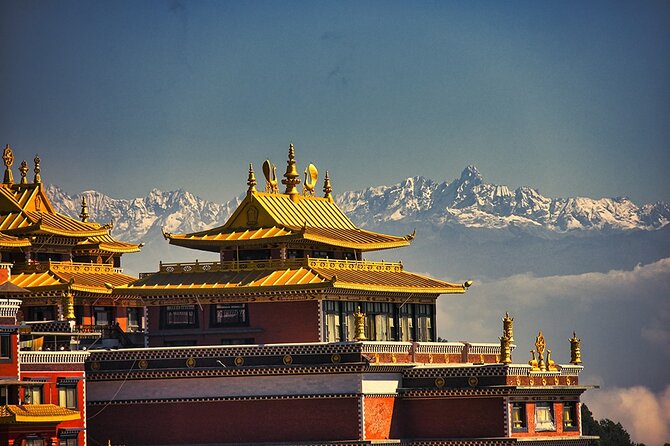
Today, we visit the major UNESCO world heritage sights of the Kathmandu valley. Starting from the Monkey Temple, we also visit Boudhanath: A serene dome-shaped architecture in the middle of a crowded locality. Later, we visit Pashupatinath and then the famous Kathmandu Durbar Square. If you have enough time, then you can opt to visit the Patan Durbar Square and Bhaktapur Durbar Square as well. We also prepare ourselves for the trek. Buy necessary gears in Kathmandu before we leave. Overnight in Kathmandu.
Wake up early and get on a drive that takes you along the Prithivi highway. The drive is long because the roads in the hills have many curves. The Trishuli River accompanies us along the way. The road is a combination of paved and unpaved trails. After winding down the dusty roads, we reach Syange by passing through Besisahar. Syange is a small village in Lamjung district. After collecting our necessities, we begin the trek to Jagat. The walk today is easy passing through some wonderful waterfalls of Lamjung. Jagat is a busy settlement in the Manaslu region. Overnight in Jagat.
On this day, we start our trek early from Jagat. The road leads us through forests and gives us a picture of a sharp cliff. We shall take a quick break at Chyamje to observe the beauty of Annapurna. The trail passes through off-road trails and crosses suspension bridges following the Marsayangdi River. Wild bees can be seen in the cliffs on the way to Tal. Tal is a heavenly village with waterfalls around. We have our lunch in Tal and move through the carved trails to Dharapani. Overnight in Dharapani.
The trek starts mostly around morning and we need to initially target Bagarchhap. It is a Buddhist village and comprises of people of Tamang communities. There is a small monastery in this region which is worth a visit. With Manaslu behind and Annapurna II insight, we walk forward through the pine forest. We reach a small village called Koto from where the trails separate. We leave the main Annapurna Circuit trail and spend the night in Koto. Overnight in Koto.
Today, the trail passes through the forests in Koto and alongside the Narphu River. The trail at some parts is carved through the hills making it adventurous. We pass through small settlements used by the inhabitants of Narphu during winter. Many waterfalls are seen on the way as we pass through the base of Kangaroo Himal with the view of Pisang peak on the opposite side. After 5-6 hours of walk, we reach Meta, which is a big village with lodges and treehouses.
We start our day on a fairly easy trail moving mostly straight. The landscape on this day changes significantly. After walking for at least 5 hours, we reach Khyung. This place has ruins and remnants of the Khampa people. This place housed Tibetan refugees during the turmoil in Tibet. We keep on walking ahead along the Phu Khola and observe the rocky trail. We reach Phu Gaon at night. Overnight in Phu Gaon.
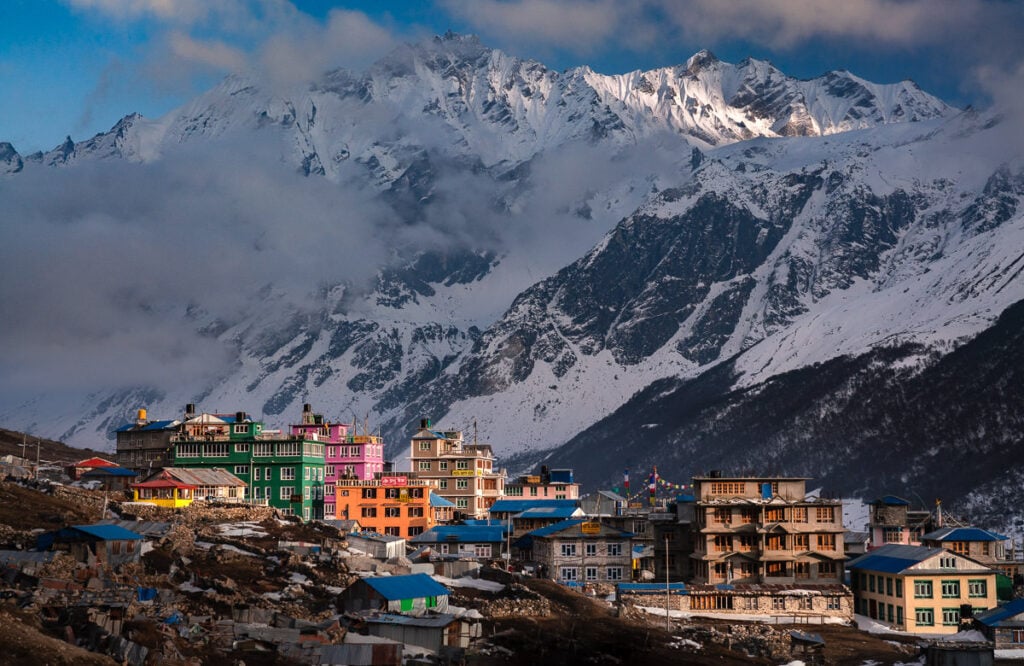
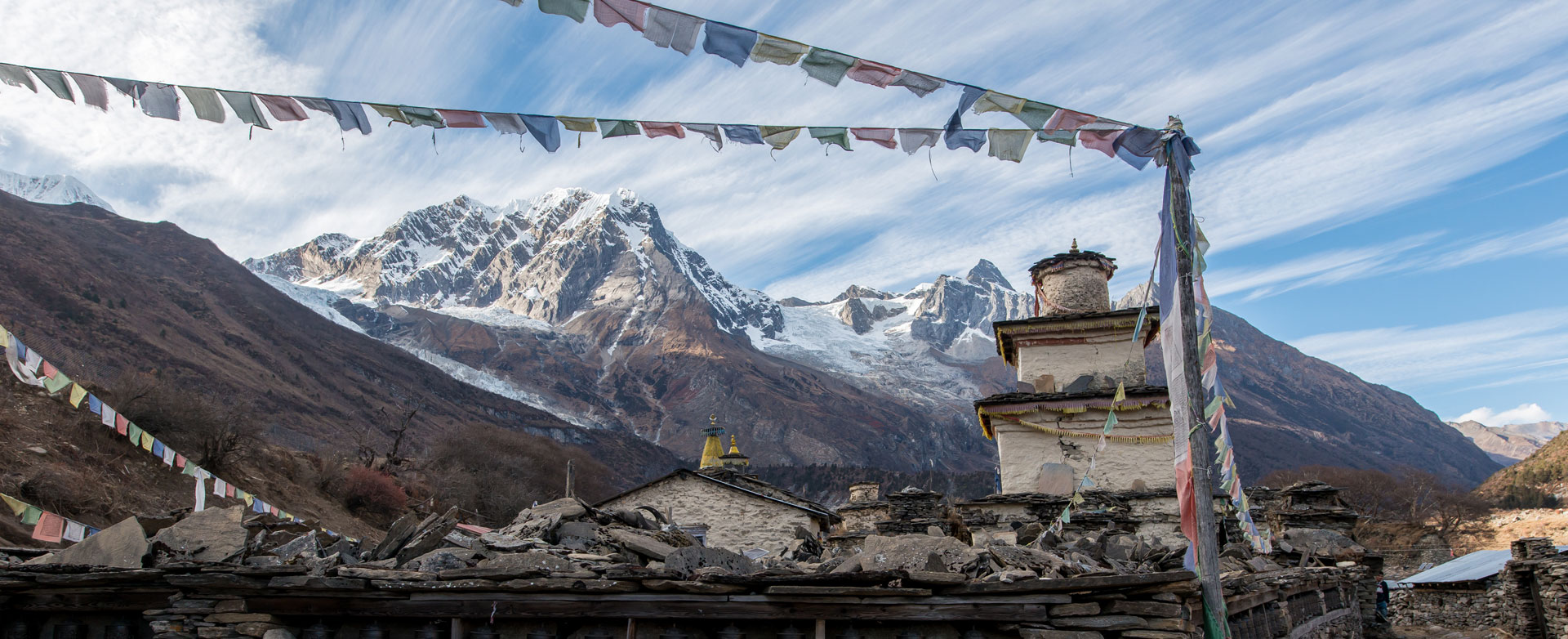
Phu village is an extraordinary village. Phu looks like an old classic rock castle. On the other side of Phu village is a monastery, which is considered as the oldest monastery in this region. It is on top of a hill. The entire hill consists of Gumbas, prayer flags, Chorten, and carved colorful stones resembles the Tibetan culture. On a clear day, one can see Mt. Himchuli and many other peaks. Small little cave kind of houses are built on top of one another. There are altogether 36 families living in Phu village making it one of the most remote places in Nepal. People of Phu village are mostly engaged in animal husbandry or tourism industry. Be sure to visit the Tashi Lakhang monastery as well. Overnight in Phu.
We return the same way and divert towards Narphedi. Narphedi is a beautiful camping site with a well-built Gumba that serves as a place of accommodation too. From here, the trail moves uphill. Walking for about 4 hours, we reach Nar village. The view of peaks like Pisang by the side is beautiful. Mani stones and yaks will give you company on this trail. Nar is also an old village in the deserted landscape. There are quite a few lodges here now. Overnight in Nar.
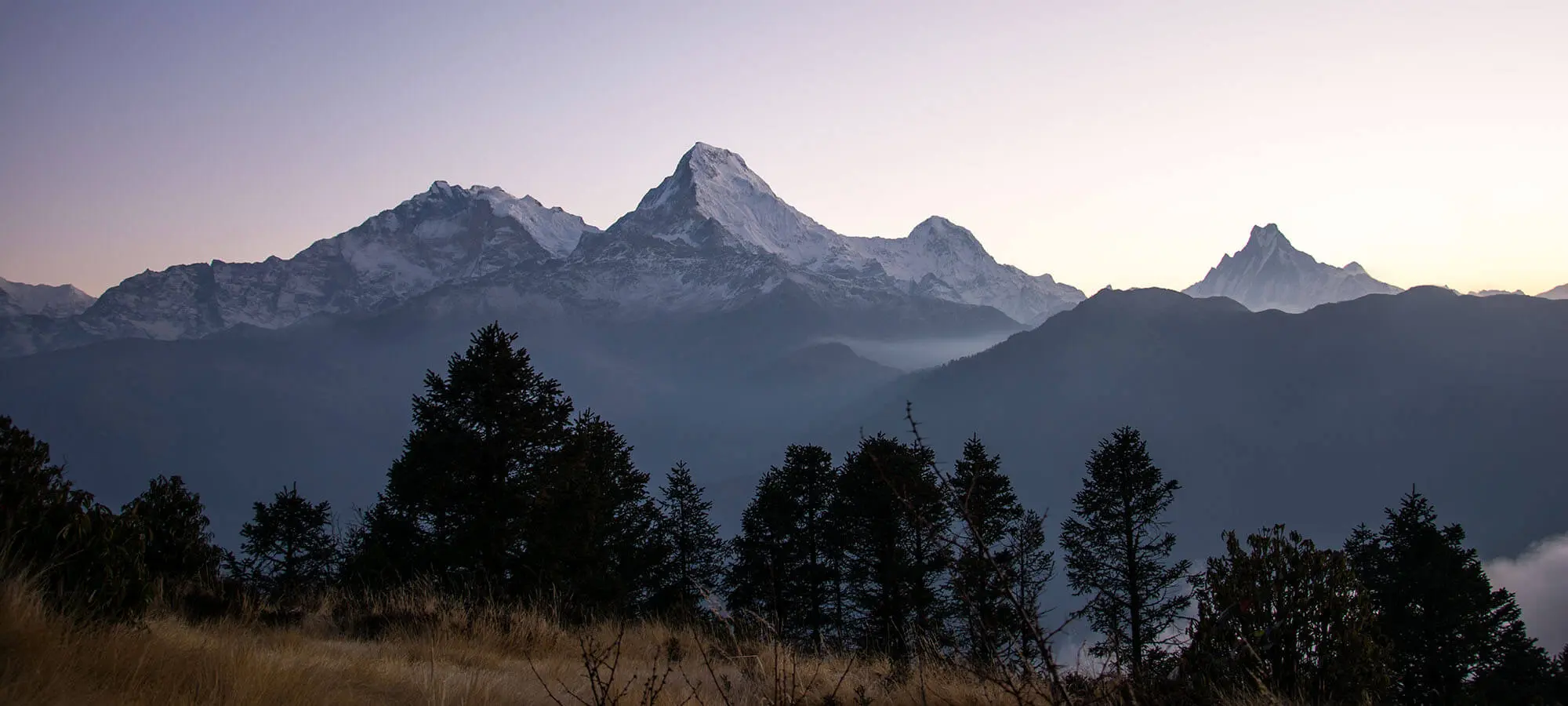
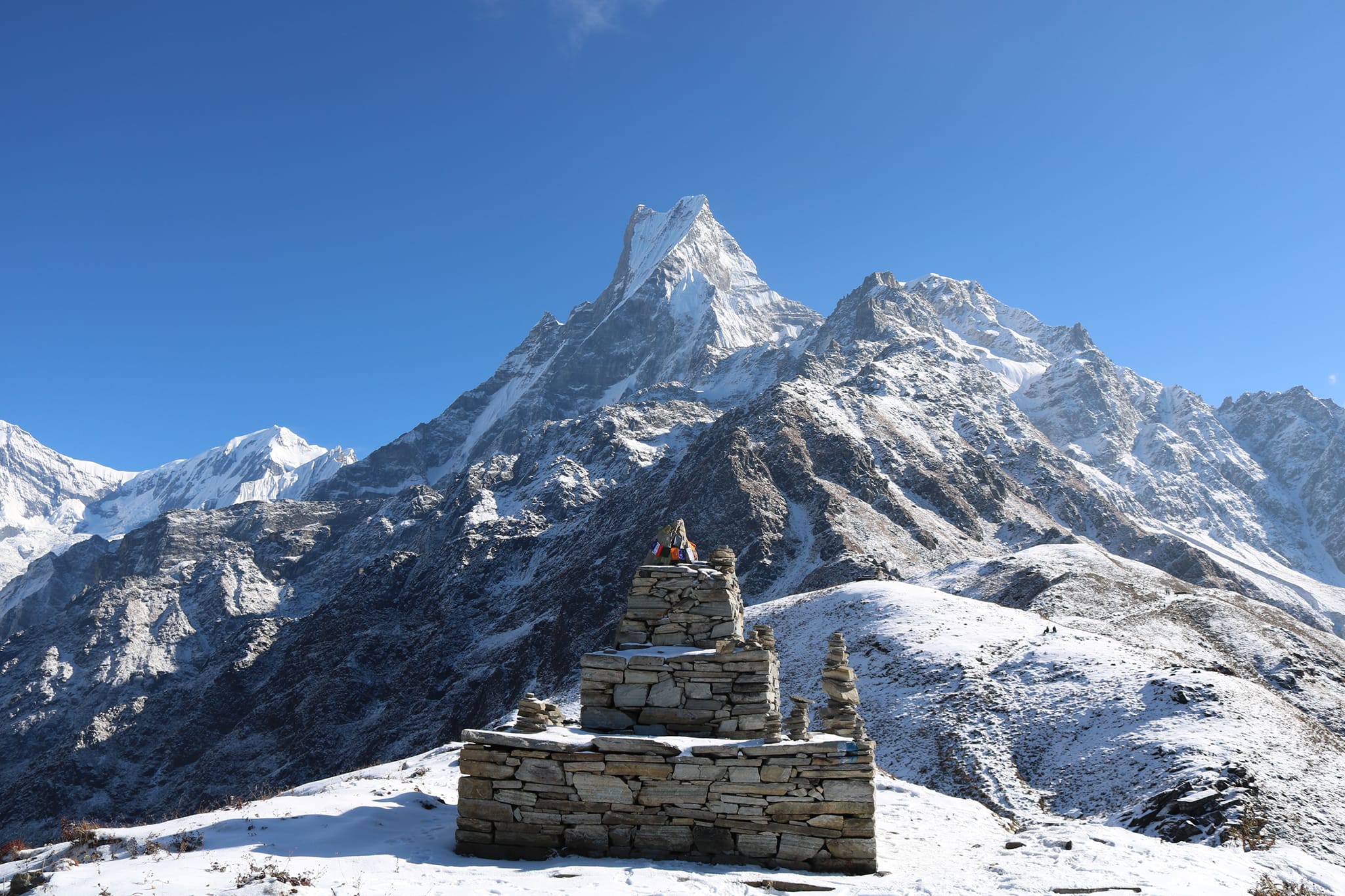
The next day, we start the trek early and start our walk gradually uphill through the grasslands. The trail is easy with a view of open sky and snowcapped peaks just by the side. We then reach Kangla Phedi after 2 hours. After resting for a while, we gradually climb uphill to cross the Kangla Pass at 5322m. It is a walk through rocky snowy mountains. The view on the way is surreal with peaks all around us. After crossing the Kangla Pass, the view changes again with a wide panoramic view of the Annapurna range, Gangapurna peak, Tilicho peak, and many others. The trail is steep down taking you to Ngawal. We spend a night in Ngawal.
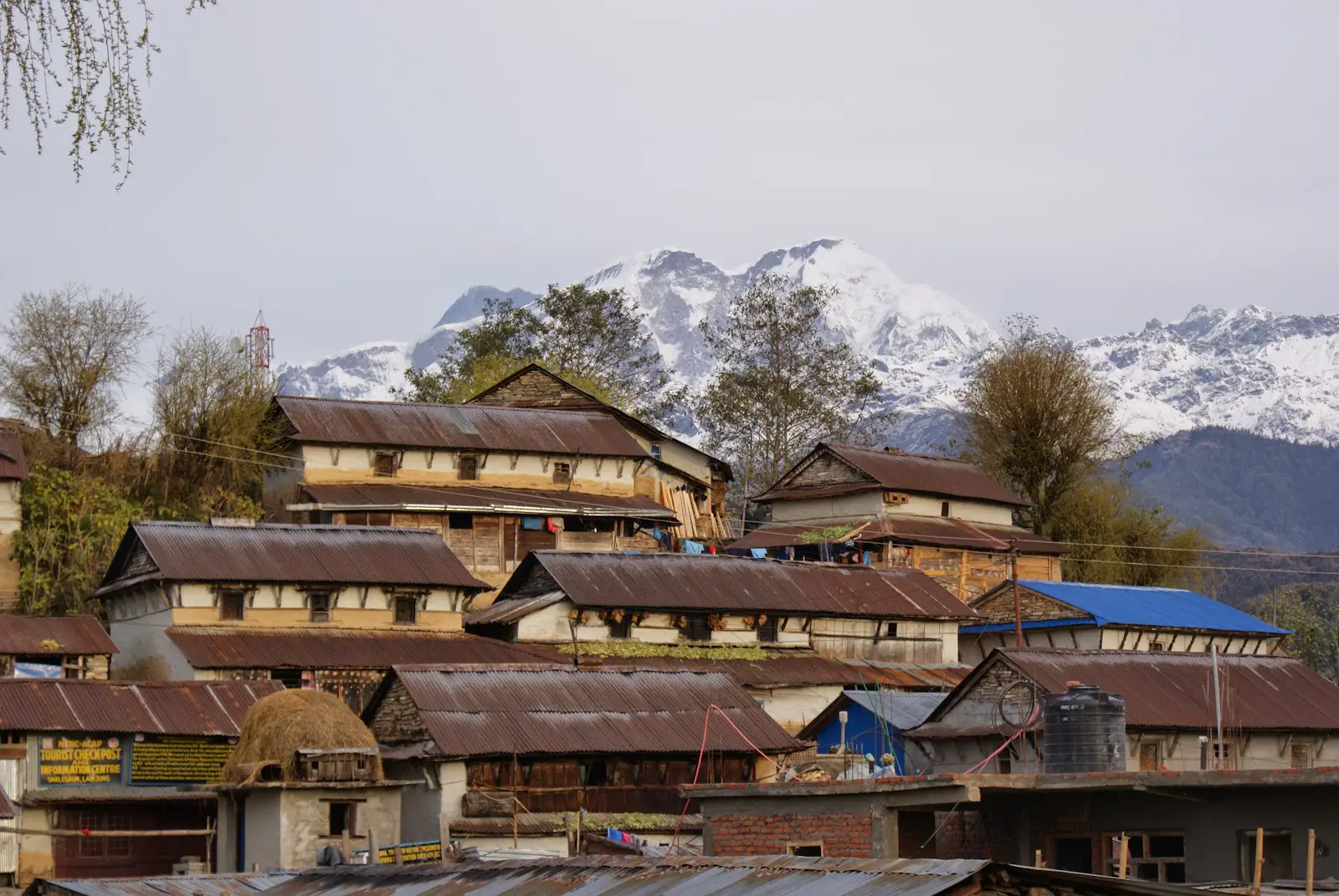
We are now on the Annapurna circuit trail. We can see many people here who are on the road to Annapurna Base Camp. Our journey goes through pine forests which later transcend into dusty ones. The road gives us company in the form of monasteries and prayer flags. We pass through the historic Braga village. A 500 years old monastery on the way is a highlight not to be missed. We follow the Marsayangdi River to reach Manang. Manang is the acclimatization spot for people trekking the Annapurna circuit. There are plenty of teahouses with many facilities. Overnight in Manang.
The road for the day sees us climb to Thare Gompa. The journey takes us somewhere between 5 to 6 hours. We gradually climb uphill on a fairly easy trail to reach Thare gompa. Passing the villages like Khangsar, we trek mostly through the deserted landscapes with little to no trees. We cross suspension bridges on the way too. The view of mountains and the lifestyle and culture of locals is something to observe and enjoy. You can even see monks practicing Buddhism here. Overnight in Thare Gompa.
On this day, we pass through the famous landslide-prone trail towards the way Tilicho Base Camp. It’s a thrilling experience walking on a narrow trail. We cross a suspension bridge and move towards the higher settlement. Tilicho Base Camp is an accommodation place with a few hotels. It is only a short walk away from the amazing Tilicho Lake. Overnight in Tilicho base camp.
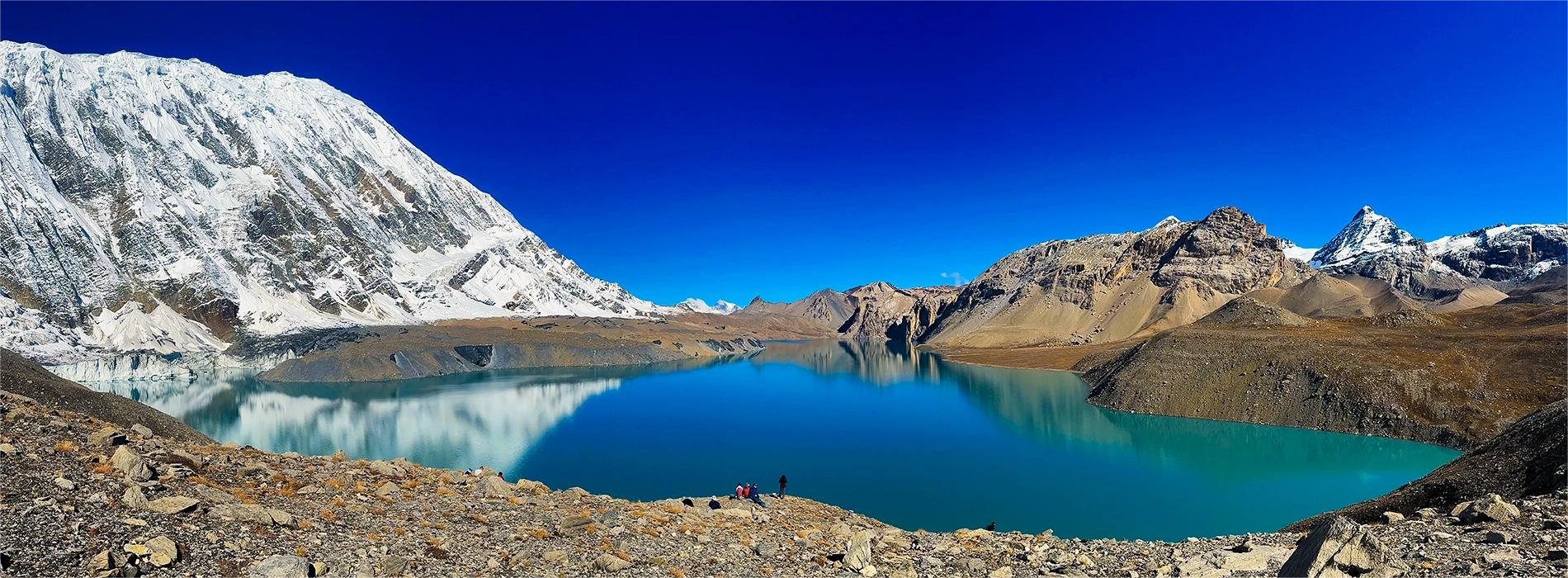
It’s better to start our walk early in the morning to witness the sunrise in Tilicho. This is slightly difficult as we trek uphill for 2-3 hours to reach the Tilicho Lake. Tilicho Lake is at an altitude of 4900m and is the highest altitude lake in Nepal. With Tilicho peak on its side and Annapurna range following, Tilicho Lake offers a serenity, unlike any other place. Overnight in Tilicho Lake.
The road for the day sees us walk downhill for most of the part. Walk past the landslide-prone areas and initially head to Khangsar. Have lunch there and do purchase the required necessities like souvenirs and food. Cross the ruins in old Khangsar and find yourself walking on the road to Yak Kharka. It is grassland and is used by the people to graze yaks and sheep. Overnight in Yak Kharka.
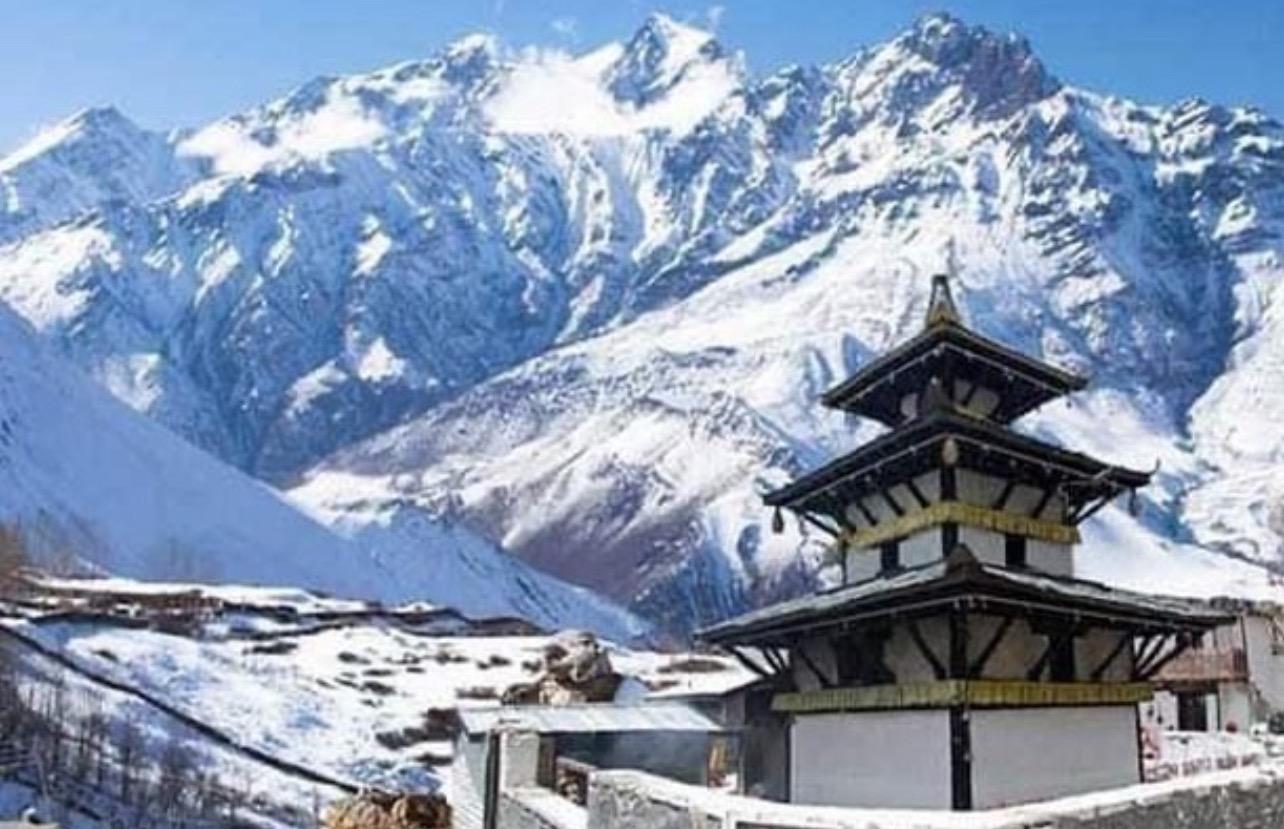
On this day we cross another high pass called Thorong La and reach the other side of Mustang valley. We start early to avoid the winds of mid-day. On reaching the top, the view of Annapurna massif is bound to leave you speechless in awe. From here, we descend to the grasslands and meadows to Muktinath. Muktinath is a famous pilgrimage site for Hindu as well as Buddhist community. We rest here for a while and continue walking to Jomsom. It is a long walk and hence requires determination. We spend a night in Jomsom.
From Jomsom, we fly to Pokhara the next day. It’s a 25 minutes flight that offers great views of many Himalayan ranges. We explore Pokhara after landing here. Pokhara is arguably the best city in Nepal. This city of lakes is a mirror for the mighty Himalayas in the north. Either its laid-back charm or the colorful nightlife of Pokhara, everything is as beautiful as it could be. We enjoy the nightlife in Pokhara. And spend a night there.
We wave our goodbyes to Pokhara and drive to Kathmandu early in the morning. Enjoying the views of forests, villages, hills, and rivers we head back through the Mugling- Naubise road to Kathmandu. Upon arrival in Kathmandu, transfer to your hotel. You can spend the remainder of the day by visiting the UNESCO World Heritage sites of Kathmandu. Overnight in Kathmandu.
On the 19th day, you wave your goodbyes to everyone in Kathmandu. Our representative will drop you to the airport. We wish you a safe journey.
Accommodation along the Nar Phu Valley Trek is in basic teahouses and lodges, which provide twin-sharing rooms with blankets. Bathrooms are usually shared and simple, with limited hot water. The lodges are small but comfortable, offering a warm and welcoming environment for trekkers in this remote region.
Meals are hearty and energy-rich, designed to sustain trekkers at high altitude. Common options include dal bhat (rice and lentils), noodles, soups, momos, eggs, and seasonal vegetables. At higher altitudes and in Nar Village, menu options may be more limited, but food remains sufficient and nutritious.
To enter the Nar Phu Valley, trekkers need special restricted area permits:
These permits help protect the region, regulate trekking, and ensure safety in this restricted area.
The Nar Phu Valley Trek reaches high elevations (up to 5,000 meters), so altitude sickness is a concern. Trekkers should acclimatize gradually, stay hydrated, and walk at a comfortable pace. Cold temperatures, strong winds, and dusty trails require windproof and layered clothing. Always follow the guide’s advice for a safe journey.
The optimal trekking seasons are:
These months provide the best trekking conditions, safety, and scenic views.
Waterproof and windproof jacket (essential for wind and snow)
Waterproof trekking pants or rain pants
Warm beanie or wool hat
Sun hat or cap with neck protection
Buff or neck gaiter
UV-protection sunglasses
Lightweight liner gloves
Insulated gloves or mittens (very important in winter and high altitudes)
A seasoned travel expert with years of experience crafting personalized journeys and unforgettable adventures.