
Ruby Valley
Ruby Valley Trek
13 Days/12 Nights
min-2
Price From
On Request
Explore More

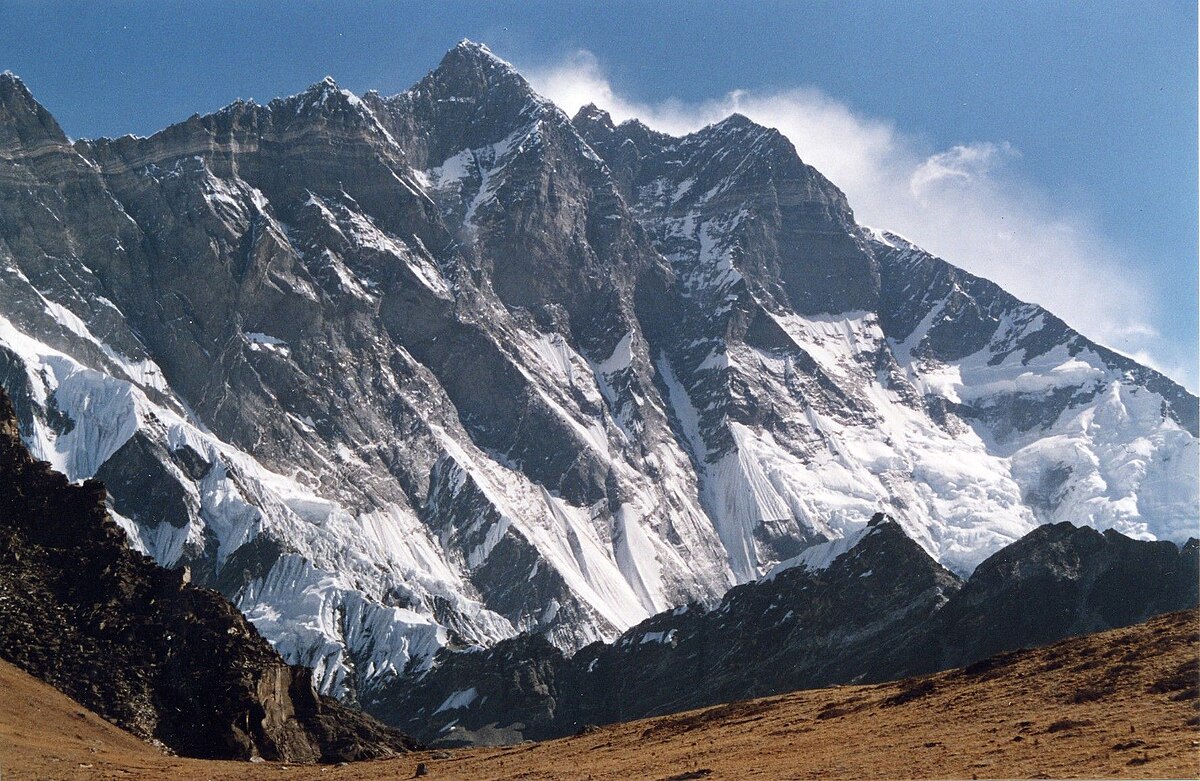
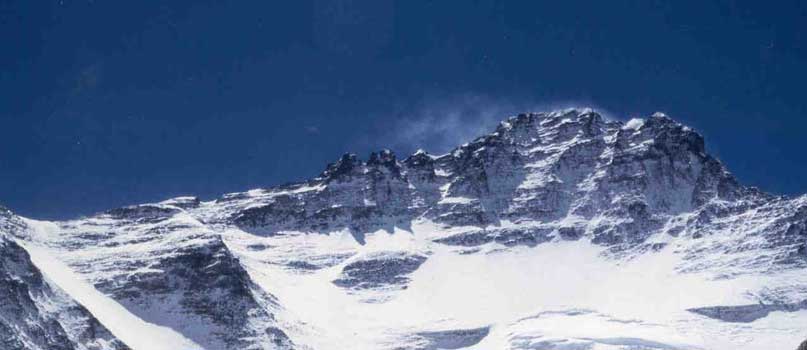
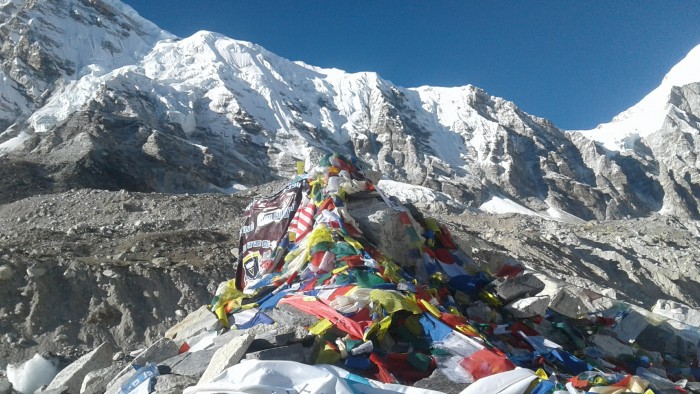
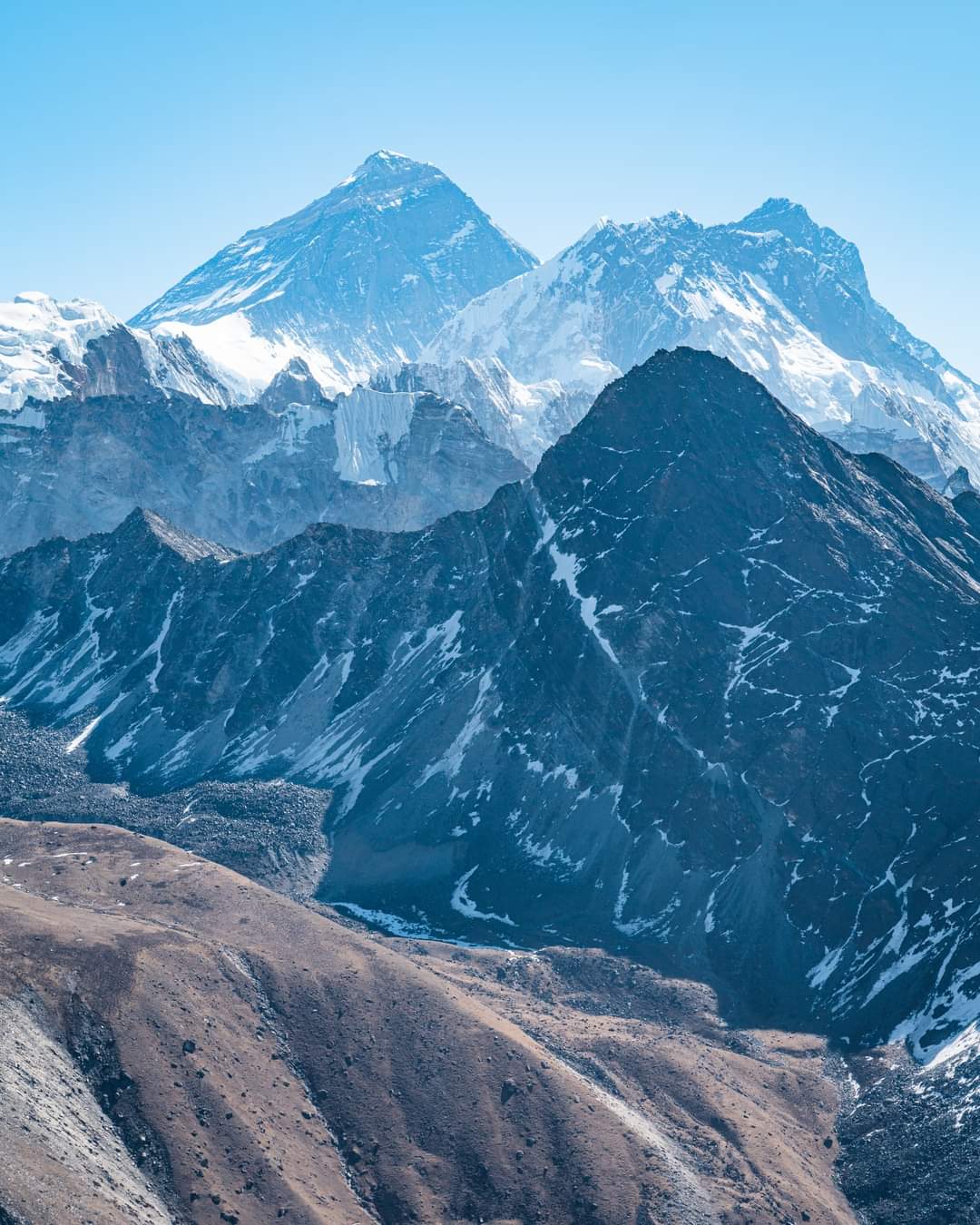
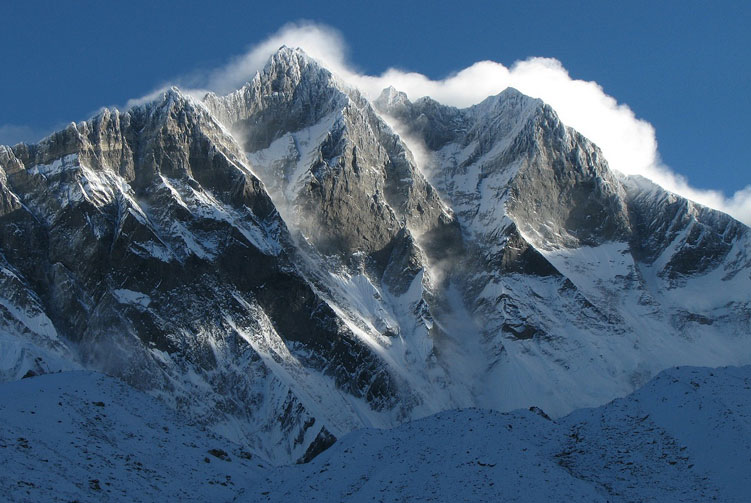
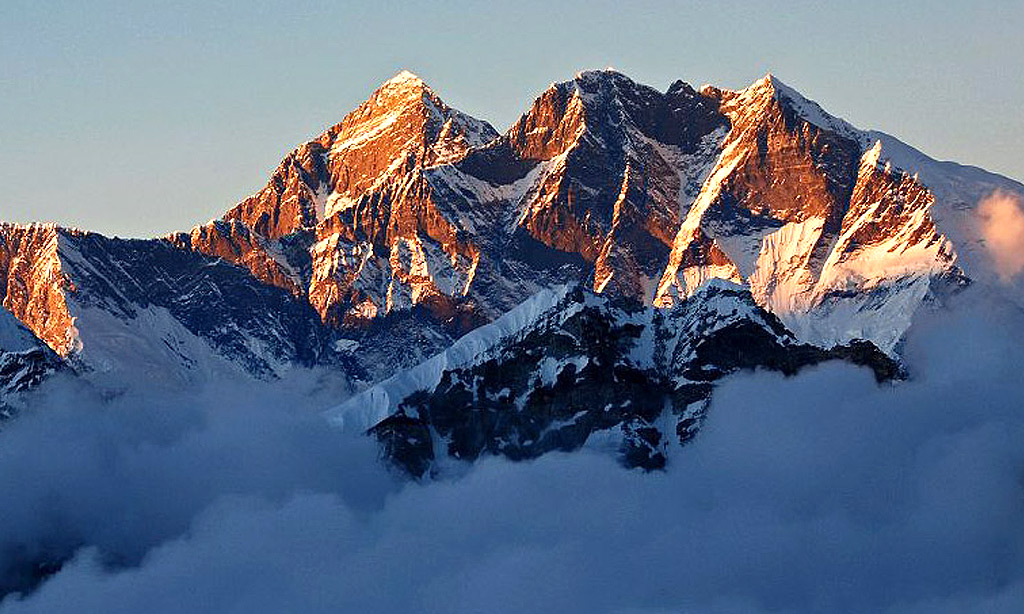
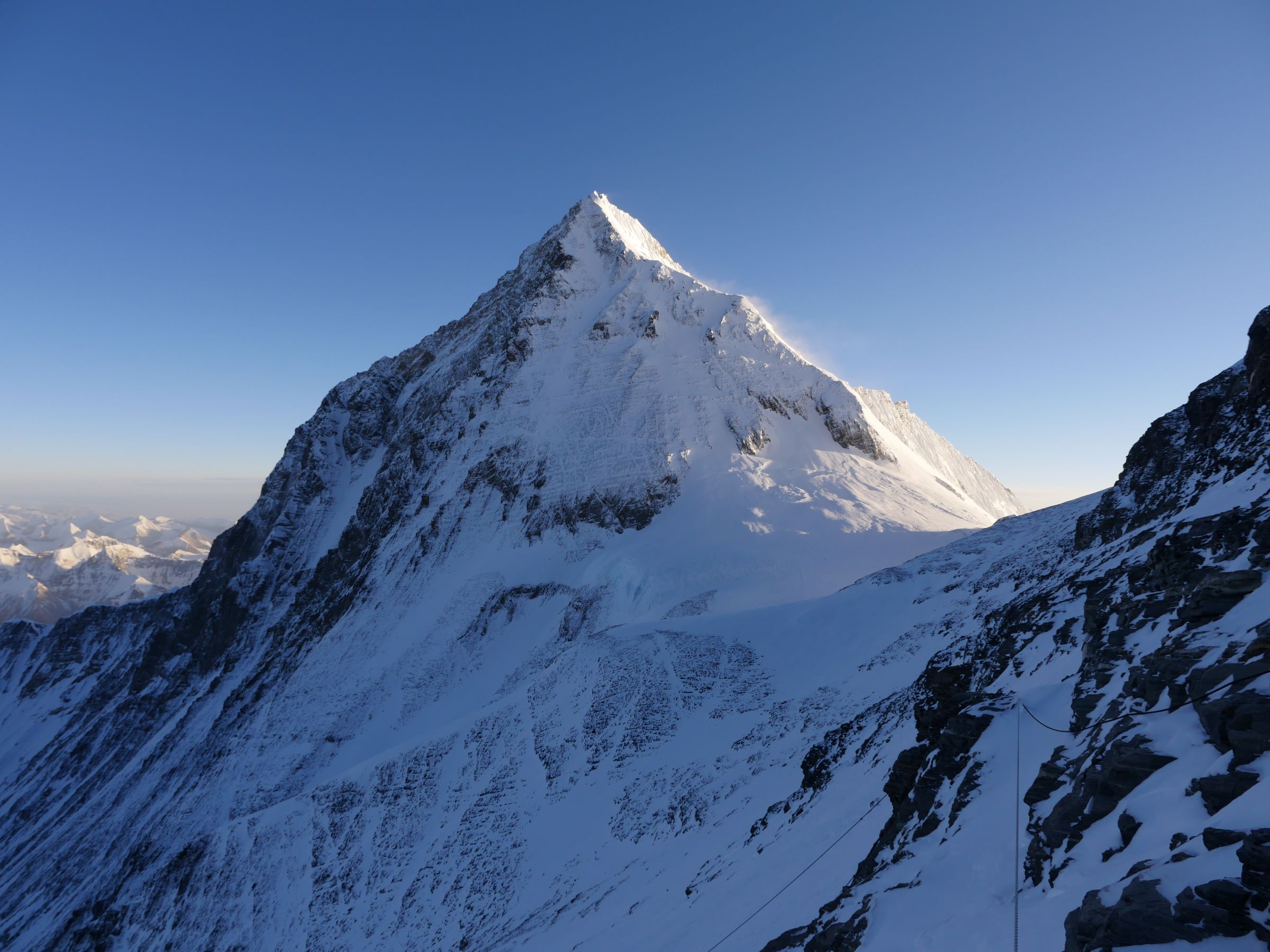
Mt. Lhotse is the world’s 4th highest mountain in the world. It lies in the Khumbu region of Nepal and borders Tibet. Three main peaks: Lhotse Main 8516m, Lhotse Shar 8383m, Lhotse middle/east 8413m make up the Lhotse massif. In recent years, the number of people willing to scale this colossal mountain has increased. Many people tend to visit these parts as they want to carve a separate identity for themselves, one that is filled with valor and courage. Mounting the Lhotse peak is a huge task and takes quite a bit of time but it is definitely worth the thrill and experience.
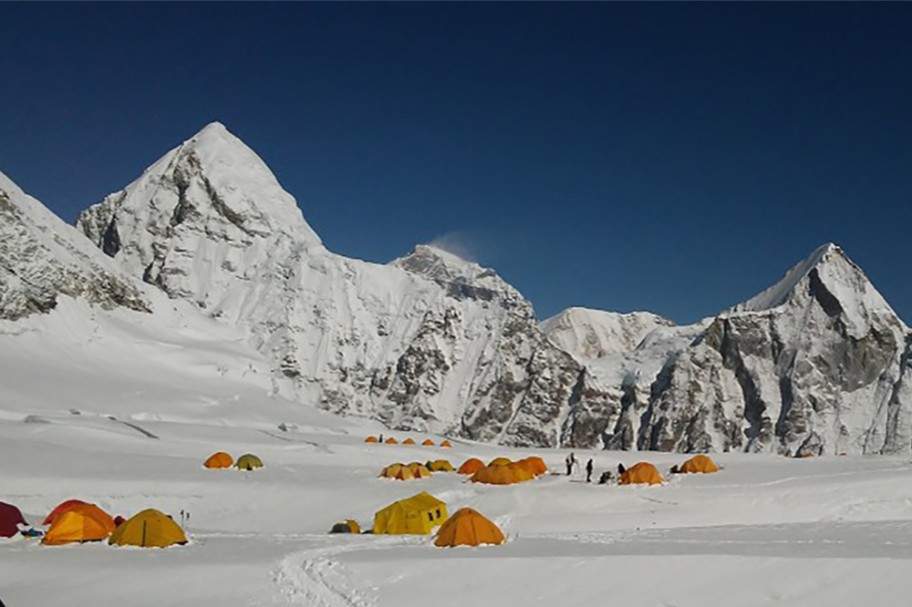
This extreme adventure journey starts as you land in Kathmandu. Our representatives will receive you at the airport and guide you to your hotel. We spend a few days in Kathmandu for preparation of the expedition since it is a long expedition. From Kathmandu, we fly to Lukla and after collecting the necessities, walk on the trail to Namche Bazaar the next day. Put simply, the trail is fairly easy, beautiful and exciting. We enter the high-altitude conservation area of the Sagarmatha National Park. Hence, one can expect to encounter unique high-altitude plants and animals. Passing through Phakding and some other small villages, you can witness the rich Sherpa culture. We acclimatize for a day in Namche. One can explore so many sites in and around Namche. We move towards Tyangboche while enjoying the views of Ama Dablam and many snowcapped peaks through the flatlands. Stupas, Chortens and Gumbas are frequent and the prayer flags make this region very picturesque. Slowly we pass the tree line, up to Dingboche which is a remote village and also an acclimatization spot. There’s a memorial for the mountaineers who lost their lives in the Himalayas in Thukla, on the way to Lobuche. Lhotse shares the base camp with Everest Base Camp. We stay in the base camp while preparing for the climb as well as acclimatizing. We eventually set up camps, basically 4 camps and repeatedly ascend and descend before attempting the summit. After one of the most exciting expedition, we return the same way from Tyangboche to Namche continuing to Phakding and finally flying off from Lukla. After a day rest in Kathmandu, we see you off at the airport the following day, concluding our trek.
We at Miteri Nepal, have been organizing an expedition to Lhotse and many other treks since the last >>> years. Our experienced mountain guides will ensure your safety and will offer you the best services at an affordable cost.
On your arrival in Kathmandu, our representative from Miteri Nepal will pick you up at the Tribhuvan International Airport. You can rest for the day and enjoy your time or you can meet with the guides who will accompany you during the trek. Overnight in Kathmandu.
We prepare ourselves for the climb during our stay in Kathmandu. Since it is a long expedition, buy necessary gears in Kathmandu before we leave. If you have enough time, you could also go for sightseeing around Kathmandu. Fulfill all the legal formalities and fill all the necessary documents before heading out. Overnight in Kathmandu.
Use this day to explore Kathmandu or finalize your climbing preparations. Overnight in Kathmandu.
Early morning flight to Lukla. Enjoy panoramic views of Everest, Ama Dablam, and Thamserku. Overnight in Lukla.
Trail follows the banks of Dudhkoshi River, passing villages and suspension bridges. Overnight in Phakding
Pass through Jorsale, enter Sagarmatha National Park, and climb to Namche Bazaar. Overnight in Namche.
Explore Namche Bazaar, visit monasteries, and enjoy short side treks. Overnight in Namche.
Visit Khumjung Monastery and Everest View Hotel. Overnight in Namche.
Walk along the Dudh Koshi River, through forests and villages, reaching Tyangboche Monastery. Overnight in Tyangboche.
Trail passes through pine forests and Sherpa villages. Overnight in Pangboche.
Walk above the tree line with views of snow-capped mountains. Overnight in Dingboche.
Acclimatization in Dingboche
Explore the village, enjoy mountain views, and prepare for higher altitude. Overnight in Dingboche.
Further acclimatization to reduce risk of altitude sickness. Overnight in Dingboche.
Pass through Thukla village and climbers’ memorial park, then climb to Lobuche. Overnight in Lobuche.
Trek across rocky trails, passing views of Pumori and other peaks. Overnight in Gorakshep..
Trek through rocky terrain and villages to Base Camp. Overnight in Base Camp.
Prepare physically and mentally, organize gear for the climb. Overnight in Base Camp.
Practice basic climbing techniques. Overnight in Base Camp.
Move from Base Camp to Camp 1 above the Khumbu Icefall. Overnight in Camp 1.
Acclimatization and preparation for the ascent to Camp 2. Overnight in Camp 1.
Trek via lateral moraine to the West Ridge and set up Camp 2. Overnight in Camp 2.
Acclimatization and preparation for Camp 3. Overnight in Camp 2.
Climb glacier and ice cliffs to reach Camp 3. Overnight in Camp 3
Acclimatization, check weather, and prepare for higher ascent. Overnight in Camp 3.
Reach Camp 4 near South Col in preparation for summit push. Overnight in Camp 4.
Final preparations, weather check, and acclimatization. Overnight in Camp 4.
Accommodation during the Mount Lhotse Expedition is provided in base camp and higher camps along the climbing route. At base camp, tents are spacious and shared among climbers with sleeping pads. As the climb progresses to higher camps, accommodations become basic expedition tents, often shared or in small groups, offering shelter from extreme weather. Experienced support staff and Sherpas maintain the camps, ensuring a safe and functional environment for rest after climbing days.
Meals are provided throughout the expedition in base camp and higher camps. Climbers are served energy-rich, high-calorie meals suitable for high-altitude mountaineering, including rice, noodles, soups, vegetables, and occasional meat. Breakfast, lunch, and dinner are included, and meals are carefully planned to maintain strength and stamina. Hot drinks like tea and soup are available to help maintain warmth.
For the Mount Lhotse Expedition, climbers are required to obtain:
These permits are mandatory for high-altitude climbing and help regulate access while ensuring environmental protection and climber safety.
Mount Lhotse is an extreme high-altitude expedition reaching over 8,500 meters. Climbers must follow strict acclimatization schedules, stay hydrated, and monitor for altitude sickness. Experienced guides and Sherpas accompany the team to provide support, route navigation, and emergency assistance. Use of supplemental oxygen is recommended at higher camps. A medical kit and first-aid support are available at all camps.
The best seasons for a Mount Lhotse Expedition are pre-monsoon (March to May) and post-monsoon (September to November). During these periods, weather conditions are relatively stable, winds are moderate, and visibility is high, allowing for safe climbing and spectacular views of Lhotse, Everest, and surrounding Himalayan peaks. Winter climbs are possible but involve extreme cold and higher risk, while monsoon season brings heavy snowfall and unstable conditions.
A seasoned travel expert with years of experience crafting personalized journeys and unforgettable adventures.