
Karnali region
Simikot Hilsa Short Trek
16Nights/17Days
Group N/A
Price From
On Request
Explore More

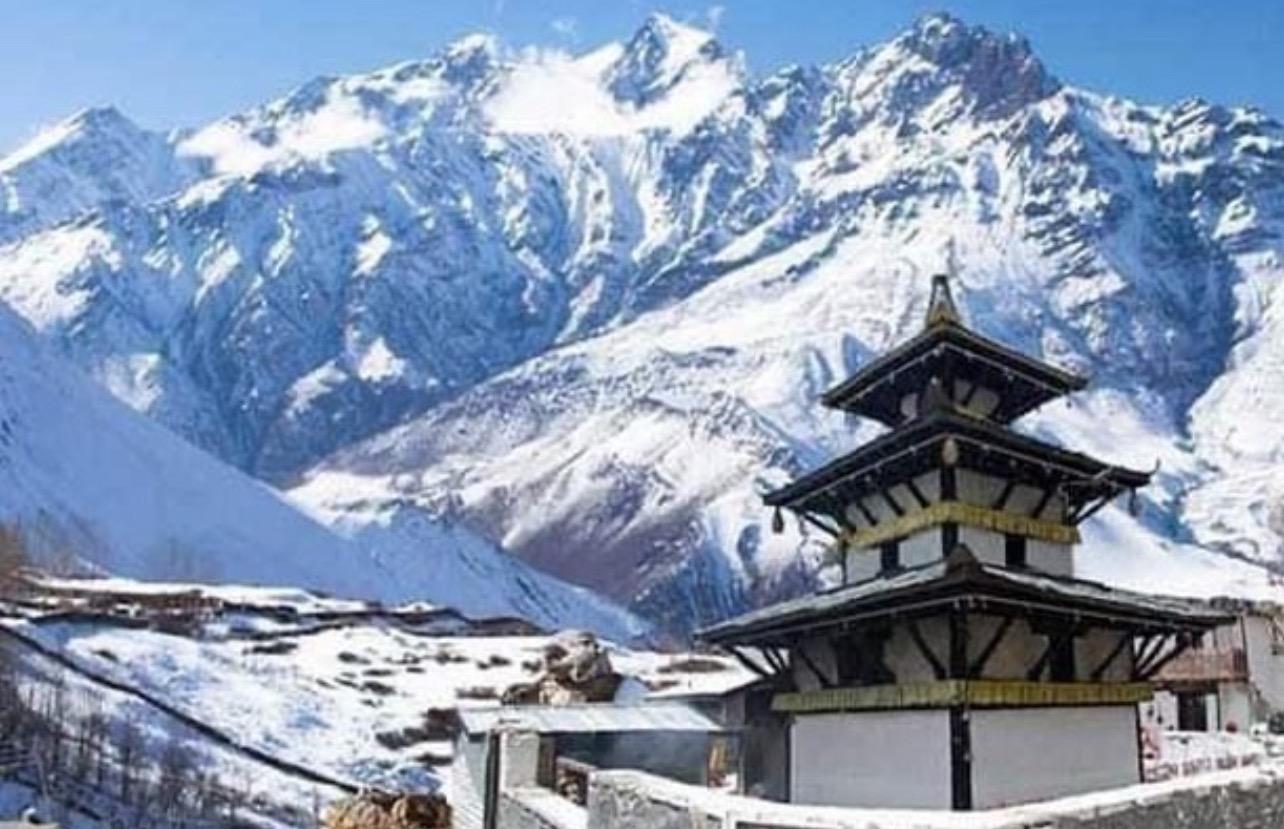
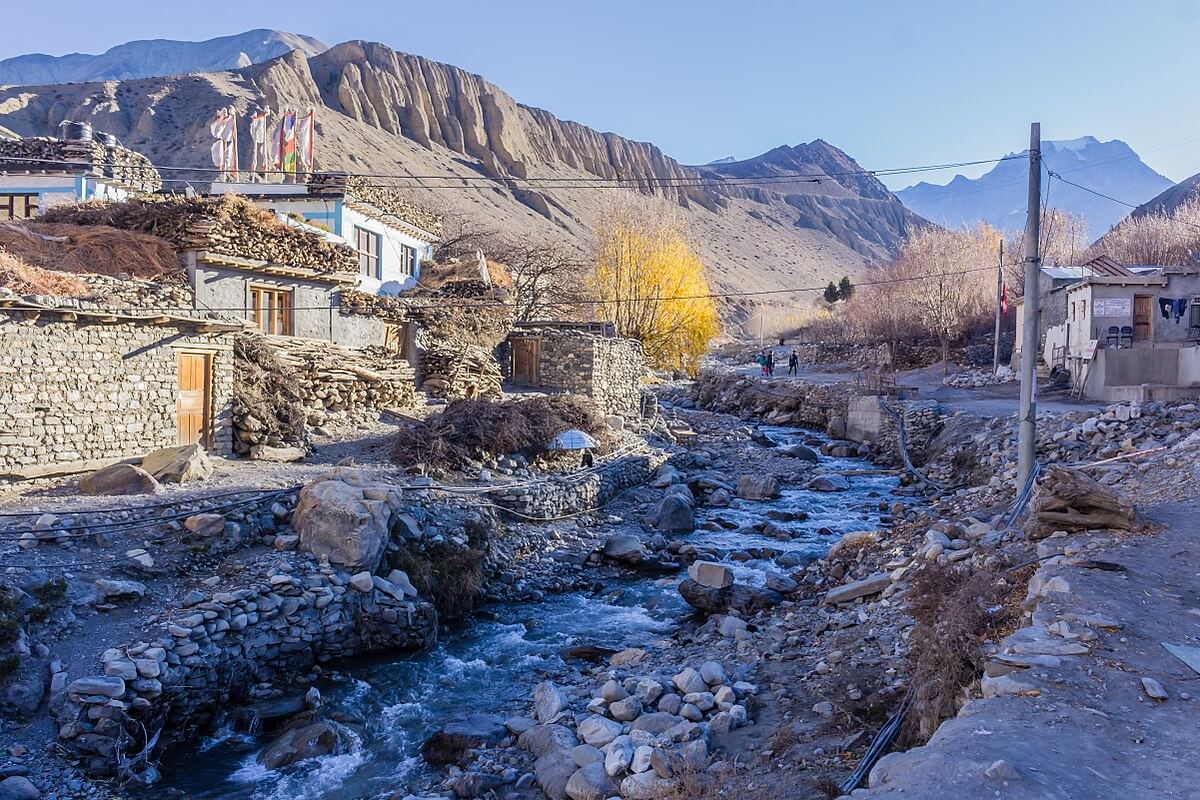
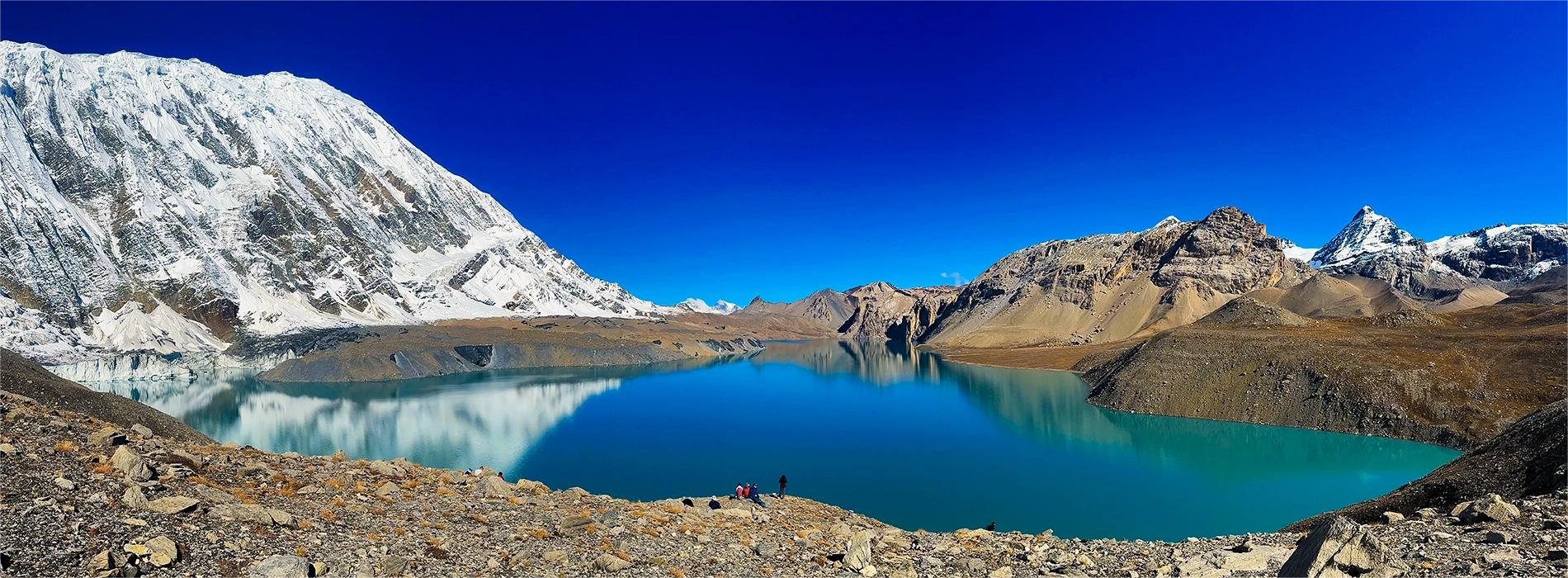
Jomsom Muktinath Trek is an aspect of the far more acclaimed Annapurna Circuit Trek. This trek offers you a view of the eight tallest mountains in the world. The route follows the deepest gorge in the world: Kaligandaki gorge. The variation in landscape ranges from lush green forest to barren dry land with glorious snowcapped mountains on the backdrop. The icing on the cake is a visit to the most revered religious hub in the Annapurna region, Muktinath. If you are in search of a spiritual and cultural awakening, then be sure to take this amazing trek.
Our trip starts as you arrive in Kathmandu. Our representatives will receive you at the airport and escort you to the hotel. The next day, we visit some world heritage sites in Kathmandu and explore the Nepali culture, tradition, and lifestyle. You can enjoy Nepali architecture along with Nepali food. We prepare for the trek as well and fly to Pokhara the next day. After having lunch in Pokhara, we drive to Nayapul and eventually trek to Ulleri which is our stop for the night. From here, we trek to Ghorepani through the beautiful rhododendron forests along with some teahouses for rest on the way. This quaint Gurung settlement is famous for its warm hospitality and beautiful culture. We shall take a quick break at Tatopani and enter Mustang through Ghasa. Passing through the picturesque village of Marpha, we reach Kagbeni. At Marpha, be sure to buy the local apples. Once in Kagbeni, you’ll be amazed by the ancient monasteries and roaring winds. From here, we trek to one of our main destinations: The Muktinath Temple. Muktinath is a famous temple which receives thousands of pilgrims every year. It holds a great value for people following Hinduism and Buddhism. This historic, as well as religious place, is believed to be the place where many Gurus gained enlightenment in the past. You might as well take a bath here as it is believed to wash your sins away. From here, we trek to the windy Jomsom. This is a beautiful village that extends both banks of the Kaligandaki River. The view of peaks like Nilgiri (7061m), Dhaulagiri (8167m), and Annapurna (8091m) at the backdrop is the icing on the cake. The Kaligandaki River is itself the deepest gorge in the world. We take a flight from Jomsom airport to Pokhara and finally head back to Kathmandu where this amazing journey will end.
If you are looking for an adventure of such kind, we at Miteri Nepal have got attractive services and packages where you can witness the mystical beauty of Nepal. Based in Kathmandu, we have been successful in organizing/planning trek and tours all over Nepal since the last >>> years. We offer competitive prices with a qualified team.
On arrival in Kathmandu, you will be welcomed by our representative and he/she will take you to the hotel. You can rest for the day or take a city tour, as you wish. Overnight in Kathmandu.
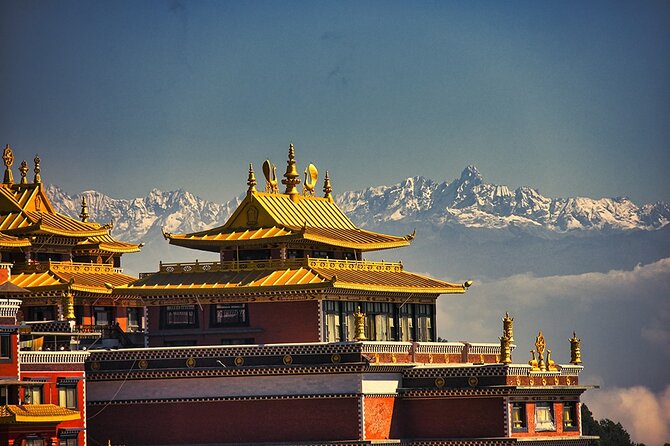
We start our day with an early morning visit to Swayambhunath. Since it is located at a hilltop, the view of the city in the early morning is simply amazing. Popularly known as Monkey Temple, Swayambhunath is a place of great value in the Buddhist community. After that, we head to Boudhanath. You can feel a great sense of peace and calmness here. Surrounded by good restaurants and cafe, Boudhanath is a perfect place for tourists. From here, we head to the Pashupatinath Temple; a Hindu temple with a great deal of holy importance. The cremation scenes at the banks of the Bagmati River and the architecture signify the Hindu religion and Nepali culture. Lastly, we visit the Kathmandu Durbar Square located at the heart of Kathmandu, Basantapur. This is the royal palace of Malla and Shah Kings during their rule. The temples and palaces portray the glorious Nepali history. Kathmandu Durbar Square has numerous temples, courtyards, and palaces. Overnight in Kathmandu.
We take an early flight to Pokhara. Pokhara is one of the most beautiful cities which is popular for its lakes. It is a gateway for the famous Annapurna region. We take a short walk around the most happening place in Pokhara, Lakeside. After lunch, we drive to Nayapul and then start walking for the day. After 4-5 hours, we reach Ulleri which will be our destination for the day. Ulleri is a famous resting spot with many facilities. We shall walk through off-road tracks initially and then climb uphill for the last few hours and then move through villages, teahouses, and forests. Overnight in Ulleri.
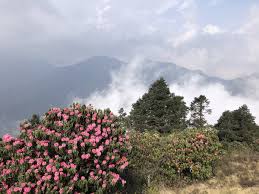
We start the walk by climbing uphill. The trail is decorated with rhododendrons of different species. The trail is fairly easy with a couple of teahouses on the way. We reach Ghorepani which is the destination for the day. Ghorepani is a small settlement with many hotels and provides good facilities for accommodation. Ghorepani itself, is a popular destination, mainly because it leads to the vantage point at Poonhill. We shall spend the night at Ghorepani and learn about the prevailing culture and traditions. Overnight in Ghorepani.
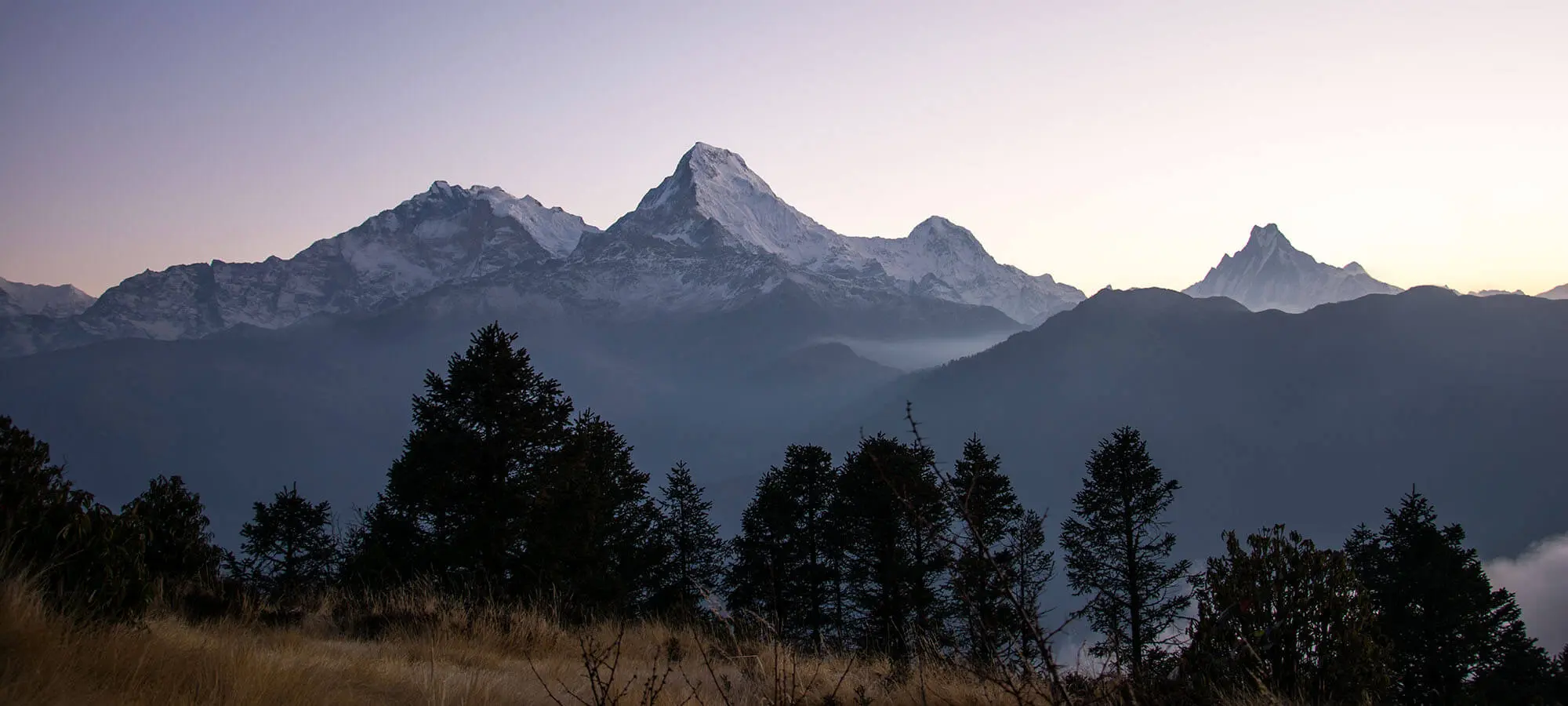
We trek early in the morning to a hill station at Poonhill. The sunrise from Poonhill cannot be missed. Golden rays of sun hitting the glorious Himalayan range is an unforgettable sight. After watching the illustrious sunrise, we descend to Ghorepani for breakfast and then continue our walk. Our walk takes us through Gurung villages like Sikha and Ghara. As we cross a suspension bridge over the Ghar Khola, we find ourselves in the vicinity of Tatopani. It is a popular hot spring and a great resting point too. Overnight in Tatopani.
Today, we walk along a trail that stretches through the Kaligandaki River. We can even see the deepest gorge in the world which is carved by this river. After an hour, we reach Dana village. Have your lunch here and then cross the beautiful Rupse Chhahara waterfall. After a short climb, you arrive at Ghasa. Ghasa is a small Thakali village famous for bird watching. Overnight in Ghasa.
We trek this day through forests to the high village in Lete. We pass many such villages this day. Larjung and Tukuche are some of them. Before reaching Marpha, we walk through the famous apple farm in Mustang. These apples are used to make the famous Marpha Brandy which is even exported overseas. Overnight in Marpha.
From the beautiful picturesque Marpha village, we move ahead up the hill and then down to Jomsom. We do not spend much time in Jomsom and just pass through the village. Jomsom is an ancient settlement and is famous for its strong winds and ancient monasteries. We will explore it much detail on our way back. We cross the Pang River and arrive at Ekle Bhatti. Trekking further, we reach Kagbeni which sits by the banks of Kaligandaki River. Kagbeni is popular for antique Thakali culture and lifestyle. Overnight in Kagbeni.
Our trek today passes above the river through to the dusty village of Jharkot. After lunch, we continue our trek which is a steep uphill climb. From Ranipauwa, it is a ten minutes’ walk up ahead to the site of Muktinath. Before that, you will need to check-in your permits and get it verified. Muktinath is a religious temple in the Annapurna region which has close ties to both Hinduism and Buddhism. Overnight in Muktinath.
Muktinath is a famous temple which is a holy place with utmost importance and receives thousands of pilgrims every year. It is a sacred place for both Hindus and Buddhists. This historic, as well as religious place, is believed to be the place where many Gurus gained enlightenment in the past. Taking a bath here is believed to wash your sins away. From here, we trek back to Jomsom. Jomsom is a windy valley. Houses here are built inside an enclosed courtyard to prevent from the unexpected wind. The view of peaks like Nilgiri (7061m), Dhaulagiri (8167m), Annapurna (8091m) at the backdrop is the icing on the cake. Overnight in Jomsom.
Enjoy a 25 minutes flight from Jomsom to Pokhara with views of the great Himalayas. Upon arrival in Pokhara, you can do plenty of things. For starters, you can visit the Fewa Lake and even the Rupa and Begnas Lakes. Spend the evening in Pokhara by walking around Lakeside. Overnight in Pokhara.
We wave our goodbyes to the beautiful Pokhara city and drive towards Kathmandu early in the morning. The drive takes at least 7 hours via bus. The view comprises of green hills and the pristine Trishuli River along with the background. Enjoying the views of forests, villages, hills, and rivers we head back through the Mugling- Naubise road to Kathmandu. In Kathmandu, the company will host you a farewell dinner. Overnight in Kathmandu.
On the 13th day, you wave your goodbyes to everyone in Kathmandu. Our representative will drop you off at Tribhuvan International Airport. We wish you a safe journey.
Along the Jomsom–Muktinath Trek, accommodation is primarily in local teahouses and lodges. Rooms are usually twin-sharing with basic bedding, blankets, and shared bathrooms. While simple, the lodges provide warm hospitality and a comfortable place to rest after trekking through the arid and windy Kali Gandaki Valley. Lower elevation stops like Marpha may have slightly more facilities.
Meals are hearty and energy-rich, designed to keep trekkers fueled during the journey. Popular options include dal bhat (rice and lentils), noodles, soups, momos, eggs, and seasonal vegetables. At higher elevations, options may be simpler due to logistical challenges, but the food remains filling and sufficient for daily energy needs.
Trekkers must obtain the following permits:
These permits help protect the environment, regulate trekking in the region, and ensure trekkers’ safety.
Although the Jomsom–Muktinath Trek is lower in altitude than Everest or ABC, it reaches heights around 3,800 meters (Muktinath). Altitude sickness can still occur, so trekkers should stay hydrated, maintain a steady pace, and rest appropriately. The trail passes through arid and windy terrain, so windproof clothing and sun protection are essential.
The ideal trekking seasons are:
These months offer the best combination of scenic views, weather stability, and cultural experiences.
A seasoned travel expert with years of experience crafting personalized journeys and unforgettable adventures.