
Destination N/A
Jomsom Muktinath Trek
12Nights/13Days
Group N/A
Price From
On Request
Explore More

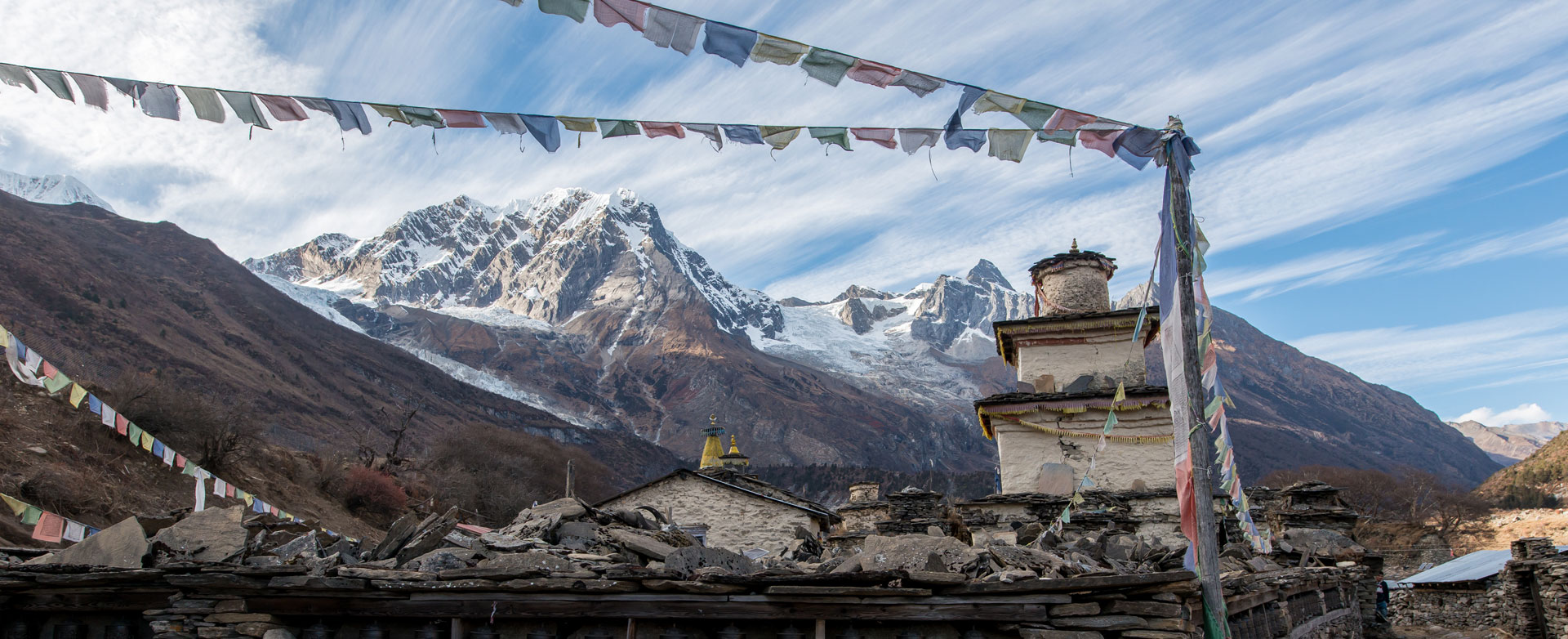
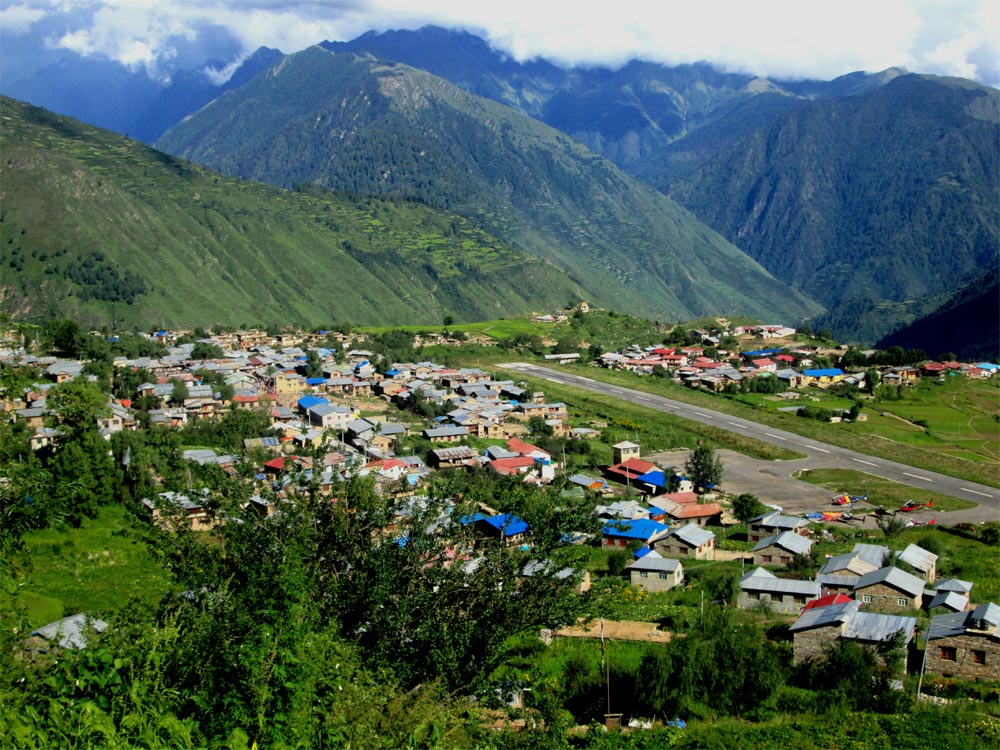

Let us write a tale about the adventure in the mountains and plateaus that no one has heard. Let us create the memories no one has lived. Well, let us begin the first chapter of the majestic tale in the trip of Manasarovar Lake and Mount Kailash. This trip is an excellent journey in the landscapes, culture, and adventure of Nepal and Tibet. The trek leads through the unexplored and remote western Nepal before stepping in the Tibetan plateau. The trek to the culturally rich heritage of western Nepal and Tibet is filled with spiritual and peaceful ambiance. The holy site of Mount Kailash and Manasarovar Lake is an important religious destination of both Hindu and Buddhist pilgrims. Crossing the high passes at an altitude of 5800 m, walking through the alluring mountainous valleys, drive in the Tibetan plateaus, barren mountains and a taste of authentic and glorious Buddhist and Tibetan culture are some highlights of the Mount Kailash trek through Simikot Hilsa.
This amazing trek starts from Kathmandu and after you get the formalities sorted, you head towards Nepalgunj. This bustling town lies in the India border and it is very hot as well. Spend a night here and move towards Simikot via an airplane. Simikot is the headquarters of Humla and is cut off from the rest of Nepal. It is extremely isolated too. Interact with the locals here and proceed to Dharapuri by walking on the banks of the Karnali River. Move past barley fields to reach Kermi. You can relax at the nearby hot springs and even visit the Laikyo Gompa and Lhundrup Choeling Gompa. These gompas are rich in Buddhist culture and traditions. Cross the Salli River and find yourself walking on landscapes that resemble Tibet. The Namkha Khyung Dzong Monastery lies in Yalbang and we shall stay here. Walk on hilly and forested terrain to reach the village called Pani Palwang and from there, move towards Yari which is commonly known as Thado Dhunga. Take a quick rest at Hilsa, which lies in the border of Nepal and Tibet. Get your permits sorted and enjoy the drive the Taklakot. You have now officially entered Tibet. We shall drive to the holy Mansarovar Lake and do Parikrama on a private vehicle. This lake is linked with Lord Shiva and it has links with Buddhism as well. We can see Mount Kailash from here. From the lake, we drive to Darchen which is the final resting spot before venturing out to Kailash. The holy Kora starts from Yamadwar and we shall circumambulate Mount Kailash. Walking past Dolma la, and Zuthulphuk we complete the Kora. From Dongba, we drive towards Kyirong and after fulfilling the legal formalities, we enter Nepal. Head towards Kathmandu from here and end this amazing journey.
We at Miteri Nepal, serve you with every facilities and service to make your journey comfortable and memorable. You may book the trip directly from our website or you can contact us for further details and discussion. We have expert guides, porters and technical crews to ease your trip in every aspect. Mansarovar and Kailash will make you remember the journey forever, and our services will make you come back again.
Welcome to the valley of temples and mountains. On your arrival at the Tribhuvan International Airport (TIA) of Kathmandu, a company representative will meet you right there. You will then drive through the streets of Kathmandu city in a cab and transfer to your hotel. After checking in the hotel, you may take a short rest for a while and have some walk in the corners of Thamel and Basantapur. Overnight in Kathmandu.
Today, after breakfast, we go to TIA and take a flight to Nepalgunj. It takes about an hour to reach the far western land of Nepal. Nepalgunj is the hottest city in the nation and is the border between Nepal and India. The Terai region holds varied culture and lifestyle, which you will explore in Nepalgunj itself. Overnight in Nepalgunj.
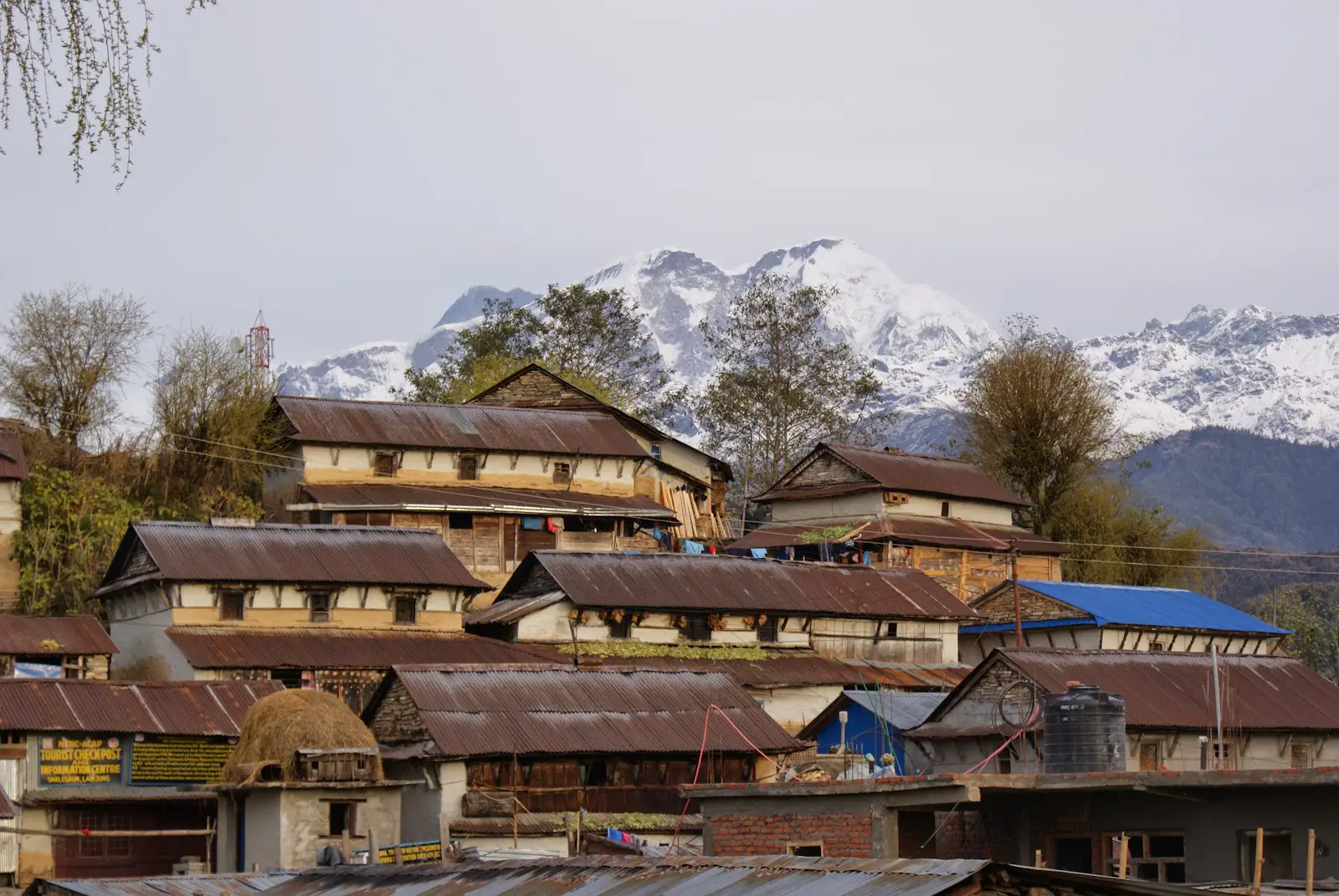
After the breakfast in Nepalgunj, we fly to headquarter of Humla district. Simikot is the gateway to Hilsa and is the Tibetan border from Nepal. The flight to this remote and beautiful village takes around 30 minutes. The view of snow-capped mountains adds elegance to our arrival in Simikot. The harmonic settlement of Tibetan and Buddhist ethnic group makes the village culturally rich. We explore the Gompas and houses of Simikot after checking in the lodge. Overnight at Simikot.
This is the first day of our trekking and we begin it after breakfast at Simikot. The hike is short today and we first cross the steep pass at an altitude of 3000 m. The trail is quite easy after descending from the pass. We walk through the old pine forests and stone stairs. The amazing view of Humla Karnali Valley is observed with the melodious sound of Karnali River. We reach Dharapuri after a 4 hours walk after spending some time in Tuling. Overnight in Tuling.
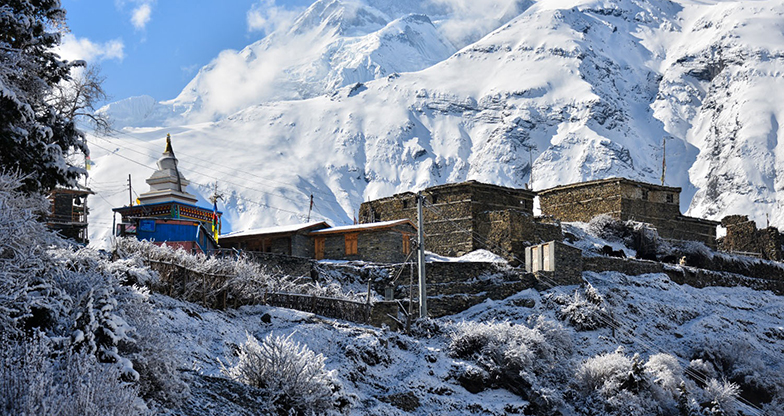
We begin the trail by walking alongside the Karnali River in a flat and easy trail. The path needs some ascending and descending through the pine forests. We pass through the fields decorated with potatoes, buckwheat, rice, and barley. Kermi is a small settlement with Buddhist culture and practice. We can visit the hot springs near Kermi after reaching there. Also, there are two important monasteries in Kermi village, Lhundrup Choeling Gompa and Laikyo Gompa. Overnight at Kermi.
Today, we start with a flat and steep ascent through the forests in Kermi and reach a small pass. Then, we cross the Salli River and enjoy the lush picture of pine trees and cold wind. Yalbang village inhabits the Tibetans, practicing the old Tibetan culture. The village is also famous for the remote and largest monastery of the region, Namkha Khyung Dzong Monastery. There is a special ceremony in the monastery every day at 7 am and 4 pm, where the pilgrims can get peaceful and spiritual vibrations. Overnight at Yalbang
After breakfast, we walk high above the Karnali River by taking steep climbs. The rocky hills and small bushes and shrubs make our way in the villages of Yangar and Muchu. Tumkot village is half an hour away from the main trail. We visit Tumkot village to explore the only Sakya Monastery of the Tibetan region, Dhungkar Choezom Monastery. Take a much-needed rest in Tumkot and interact with the locals here. Overnight at Tumkot.
Today, we take a relatively easy trail which comprises of mountainous landscapes and rare vegetation. We walk through the rocky barren hills in the company of juniper trees. The path is mainly dirt as the road is under construction. There is a small village called Pani Palwang, which we meet on our way to Yari. After crossing Yari east and Yari west, we arrive in Yari. It is famously known as Thado Dhunga. Overnight in Yari.
We cross the Nara La pass (4620 m) today and observe the eye-catching landscape of the Tibetan plateau. After crossing the pass, we descend through mountainous vegetation to the border town of Hilsa. After the 5 hours walk to Hilsa, we go to Sher village while simultaneously enjoying the plateaus. After checking our permits and passports, the Chinese officials let us drive to Taklakot or Purang. We visit the cultural heritage of Purang Gompa and explore exquisite Buddhist culture. Overnight at Purang
We drive through the Tibetan plateaus and explore the landscapes of the valley. The drive takes us to the holy place of Manasarovar Lake. The lake is religiously significant for both the Buddhist and Hindus pilgrims. The Hindu believes the holy water of the lake will purify one’s soul and take to the lap of Lord Shiva after death. Similarly, Buddhist believers relate it with the legendary Anavatapta Lake, where Queen Maya Devi conceived Buddha. We spend the night in the tranquil shade of Manasarovar Lake. Overnight in Mansarovar.
Today, we take a trip around the serene atmosphere of the Manasarovar Lake. This lake is one of the largest and highest freshwater lakes with a circumference of 90 km. We can circle the lake by Jeep. We also visit the Chui Gompa located in the vicinity of the holy lake. After completing the holy-round of the lake, we drive through the Braka plain for about 2 hours and reach the valley of Darchen. Darchen is the base camp for the holy Mount
Today, we first drive to Yamadwar from Darchen in the morning. The holy Kora (Parikrama) of Mount Kailash starts after Yamadwar. The glorious and first glance of the Mount Kailash welcomes us at Yamadwar. After about 5 hours walk, we reach Diraphuk. We walk in the shades of the majestic Mount Kailash throughout and enjoy the heavenly landscapes. Overnight at Diraphuk.
We start early in the morning today for the second day of our Mount Kailash Parikrama. We ascend through steep and rocky hills to reach the summit of Dolma La pass. The weather is mostly cold, dirt, and unpredictable in the pass. We may go to visit Gaurikunda on our trail, which is quite difficult to ascend. After 8 hours walk through the Tibetan valleys and barren mountains, we reach Zuthrul Phuk. Overnight at Zuthrul Phuk.
After completion of the holy visit and Kora of the Mount Kailash, we trek back to Darchen. We walk through the walls of the red rock and barren mountains. We also visit the monasteries and Gompas on our way through the valley. After reaching Darchen, we take a Jeep and drive to New Dongba. We spend the night at New Dongba.
We have a long drive today to Kyirong by passing through Saga town. We pass through the frontier town of Tibet-Nepal border at Kyirong. We can visit the nearby Rasuwagadhi town and the markets of Rasuwa district after coming to Kyirong. The drive takes about 5 hours and wave’s goodbyes to the Tibetan plateaus and landscapes. Overnight stay at Kyirong.
Today, we drive back to Kathmandu through the district headquarter of Rasuwa district, Sybrubensi and busy market of Dhunche. We drive alongside the Trishuli River after exiting from Langtang National park. The road joins the Mahendra Highway later and takes us to Kathmandu after about 6 hours long drive. We check in to the hotel in Kathmandu and spend the time relaxing and enjoying. Overnight in Kathmandu.
This day marks your final day in Nepal. A company representative will take you to the Tribhuvan International Airport in a private vehicle. With the ending minutes in Kathmandu, you pass through the streets and smiles of Nepal for the last time before your departure. We wish you good luck and feel delightful to join you on your next trip to Nepal.
Accommodation along the Simikot–Hilsa Trek is in basic teahouses and local lodges, especially in villages like Yalbang, Kermi, and Hilsa. Rooms are generally twin-sharing with simple bedding and blankets, and bathrooms are mostly shared. Facilities are basic due to the remoteness of the Humla region, but the lodges offer warm hospitality and a comfortable place to rest after each trekking day.
Meals during the trek are simple, hearty, and energy-rich, designed to sustain trekkers in a remote high-altitude environment. Typical meals include dal bhat (rice and lentils), noodles, soups, potatoes, eggs, Tibetan bread, and seasonal vegetables. Food options may be limited in some villages, but meals are nutritious and sufficient for trekking.
To trek in the Simikot–Hilsa region, trekkers require:
These permits help regulate trekking activities and ensure safety in this remote border region.
The Simikot–Hilsa Trek reaches elevations above 3,000 meters, and altitude-related issues can occur. Trekkers are advised to stay hydrated, walk at a steady pace, and allow proper acclimatization. Due to the region’s remoteness, medical facilities are limited, so trekking with an experienced guide, carrying a first-aid kit, and having comprehensive travel insurance (including emergency evacuation) are essential.
The best seasons for the Simikot–Hilsa Trek are:
These months provide the most reliable weather and comfortable trekking conditions.
A seasoned travel expert with years of experience crafting personalized journeys and unforgettable adventures.